
There are more than sixty Holy Wells in County Offaly along with springs, mineral spas and local wells. Their setting varies from directly on the roadside such as St Finan’s at Cumber East, to the middle of a field (St Molua’s Well, Roscomroe).
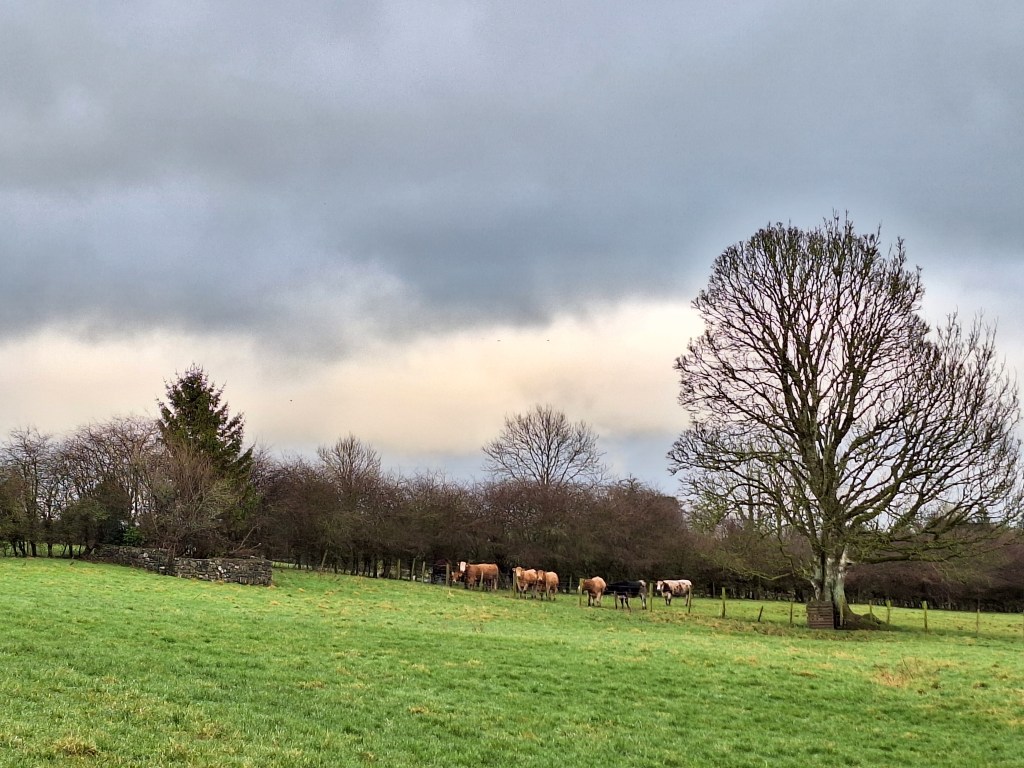
They can be associated with a neighbouring church (St Lugna’s Well, Letter), or remain isolated from a religious setting in some cases located in the middle of agricultural land (St Brigid’s Well or Toberneera, Castlearmstrong).
Many of the wells have an associated patron saint, the spelling of which may have changed many times across verbal, mapping and literary references, while in some cases the name changed entirely to a different saint.
While difficult to date, most are recorded monuments, an early reference is noted by Thomas Lalor Cooke (Cooke’s History of Birr), quoting from the Annals of Clonmacnoise that ‘a person named torbaid was comorban of St Patrick previous to the year 758, when his son Gorman died on a pilgrimage at the well of St Fineen at Clonmacnoise’.
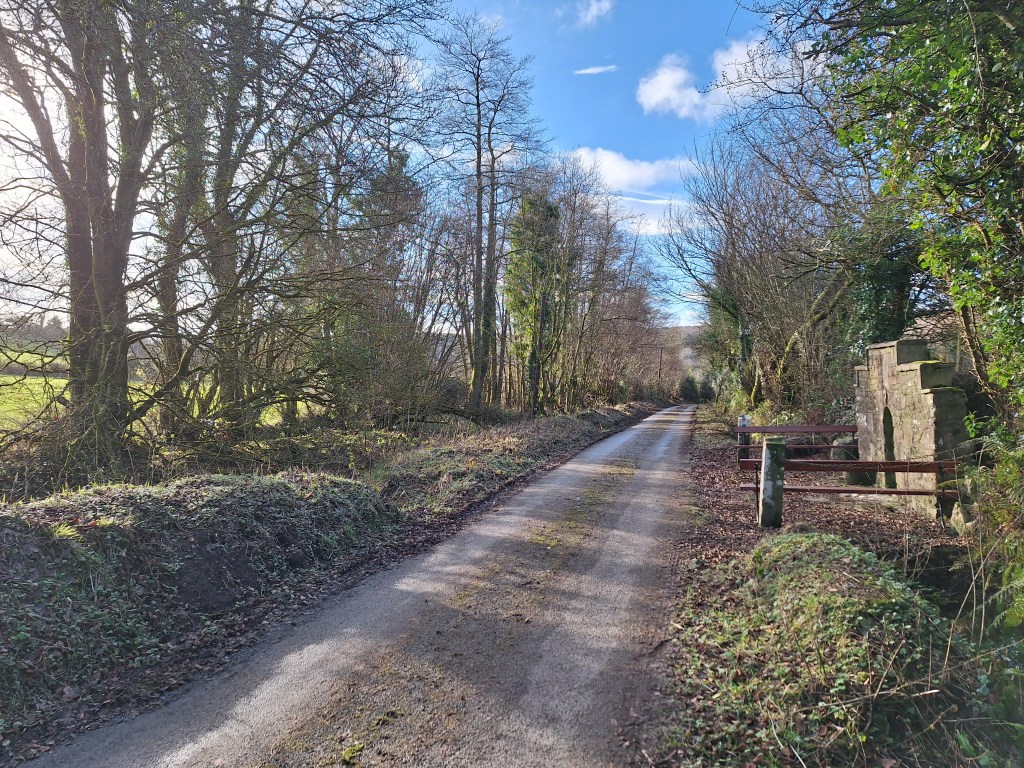
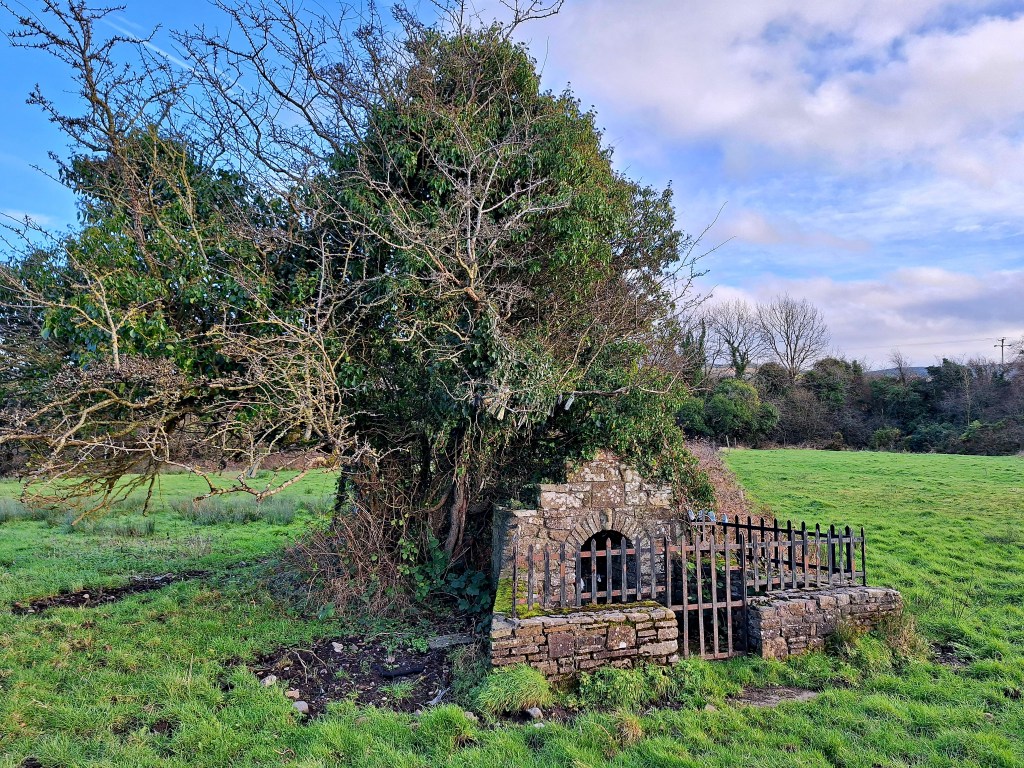
They have deep roots in pre-Christian Irish history and due to their popularity among the Irish people, efforts were made to incorporate them into Catholic teaching. People visit on the saints’ feast day for the local pilgrimage. Many of the wells have their own pattern or set prayers said at specific locations around the well. The pilgrimages were popular among travel writers in the nineteenth century and in 1809 Joseph Woods (The Travels of Joseph Woods, Architect and Botanist) describes such a visit to the Holy Well in Gougane Barra, Cork:
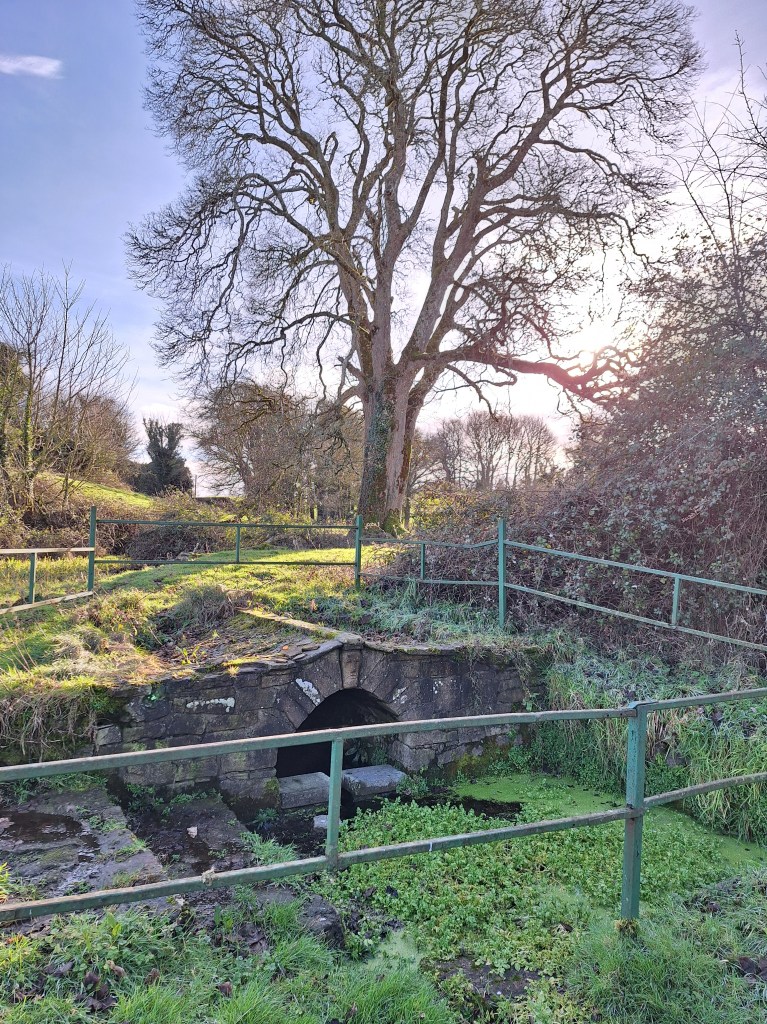
At Mid-summer eve the people of the country throng here in vast numbers and as there is no town in the neighbourhood they pitch their tents on the borders of the lake. The first part of the ceremony is to bathe in the well which is done by both sexes, the men naked, the women in flannel dresses. The number is so great that a constant succession of bathers is said to be preserved day and night for four or five days. After bathing in the well they are to bathe again in the Lake. They then pace round the ruins of the Cathedral and visit each Shrine and chapel a certain number of times. At night the ruins, the island, the well and the Shore are illuminated [p. 29] by torches and the concourse of people in this wild and savage Spot is seen in its most striking point of view.
Anti-social activities began to become problematic and Rev Fr Shaw (Ballyboy, Kilcormac and Killoughy) quotes from a 1719 Government Proclamation:
Whereas we have received information, that great numbers of Papists, and others disaffected to his majesty, have of late met together in diverse parts of the Kingdom, under pretence of horse-racing and football matches… we charge all magistrates, etc., to suppress … all riotous and unlawful meetings at Wells, to which pilgrimages are made by vast numbers of Papists and such as build booths, sell ale, food and other commodities at such Wells contrary to law.’
There can also be collections of wells, in Clonmacnoise, Killeigh and in Kilcormac. There were seven wells in Eglish around the Kilcormac area related to ancient stories of a fleeing St Cormac and each time he fell, a well sprung up. Some of these have been lost over while others are still visited. It would be wonderful to mark each of these seven wells once again, including that which was based within the trunk of a sacred tree, noted by Rev Fr Shaw; ‘Further to the west is St. Cormac’s Well in Ballykealy, and it certainly occupies the most unusual situation, for it is in a hollow in the fork of an aged ash tree. In spite of its peculiar position, however, it has the reputation of never going dry even in the best summer weather’.
The annual pattern day forms a strong community bond in many parishes such as Lemanahan, St Manchan’s Well and in Bracknagh at St Brochan’s Well recent recipient of a Heritage Council award.
There are many associated features located around or close to the well, a sacred or holy tree (Clareen), a bullaun stone (Lemanaghan), an ‘Engagement Stone’ with a hole for shaking hands through to bind an agreement (St Cormac’s Well, Kilcormac and Lady Well, Rathelin).
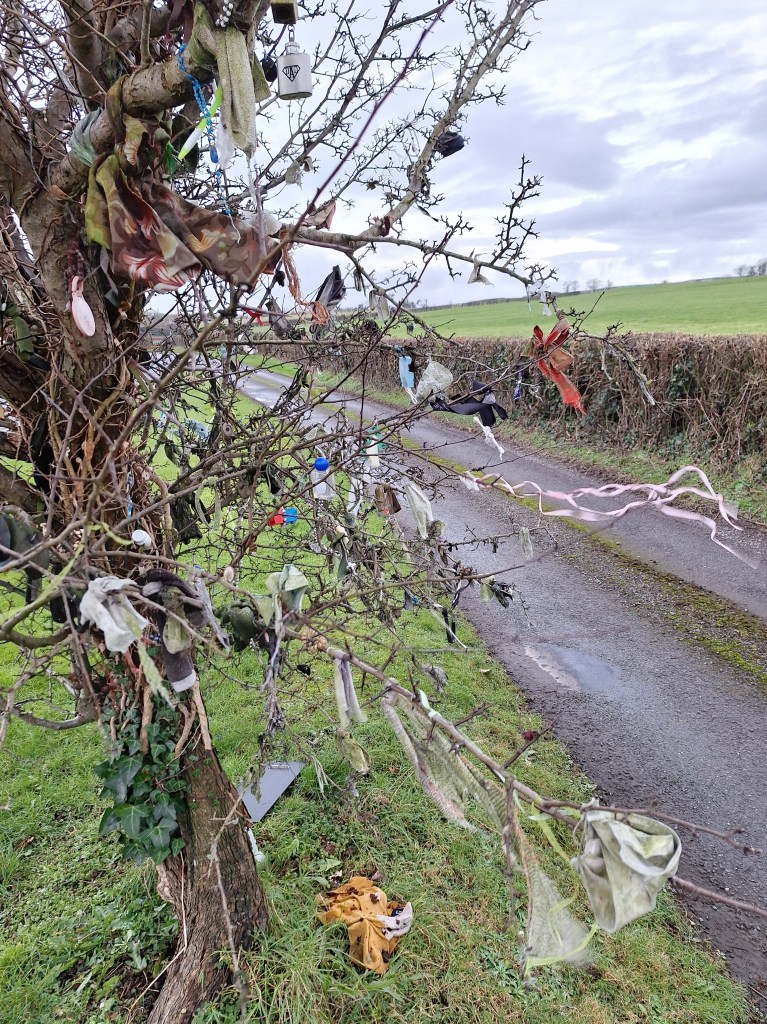
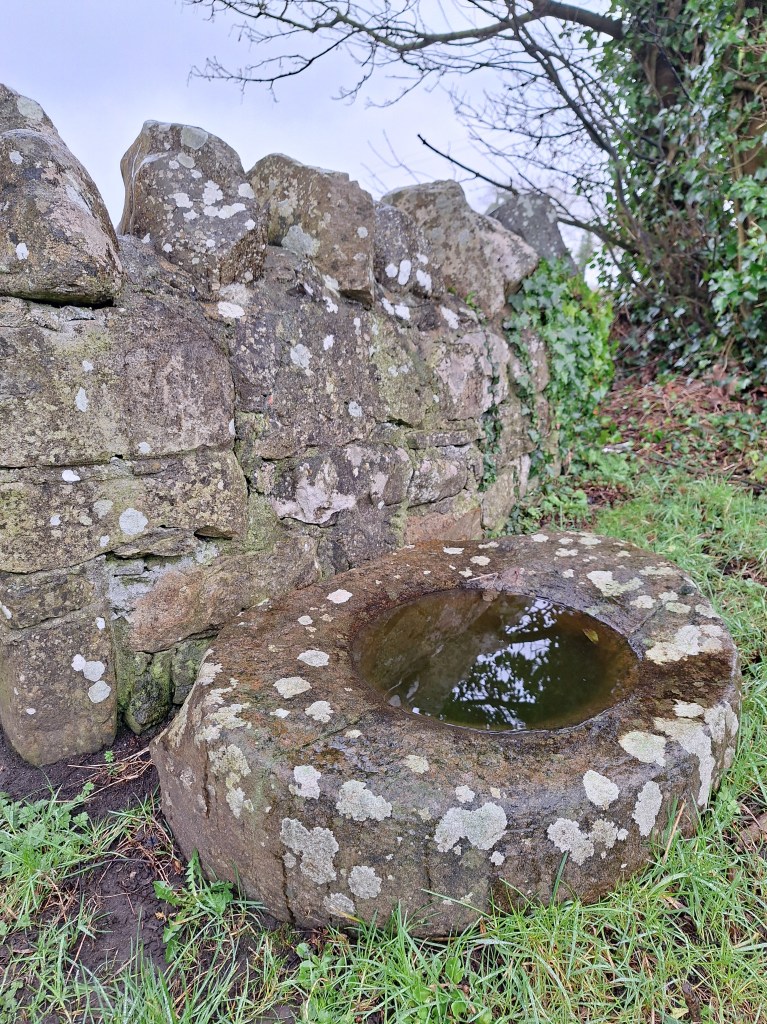
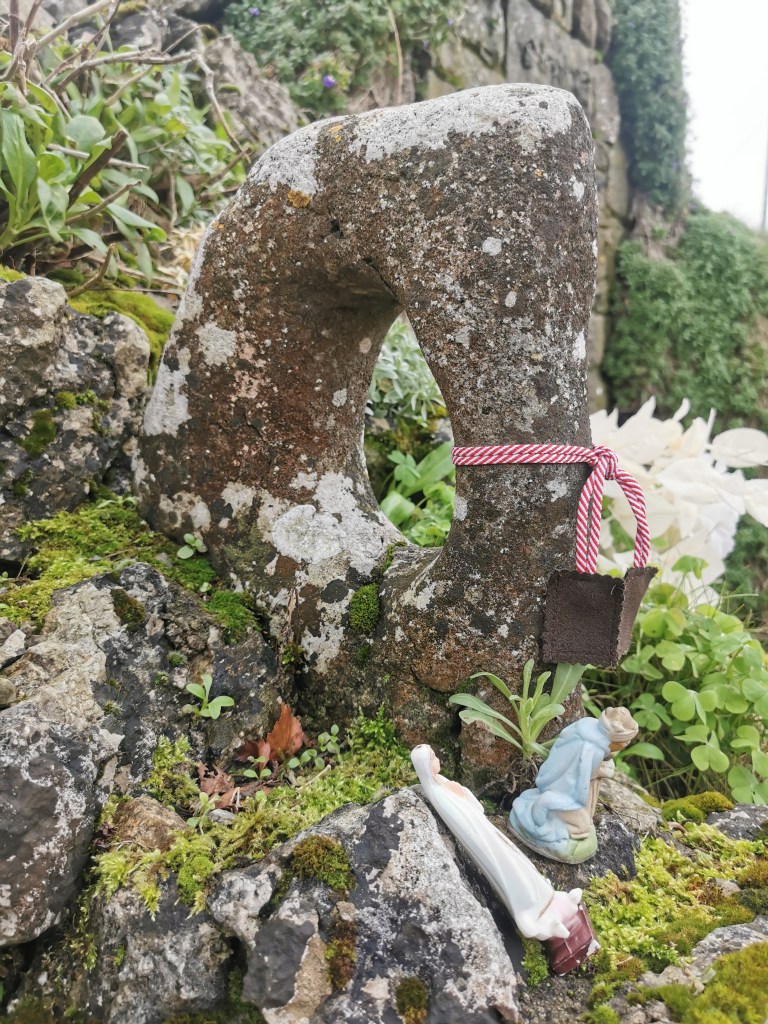
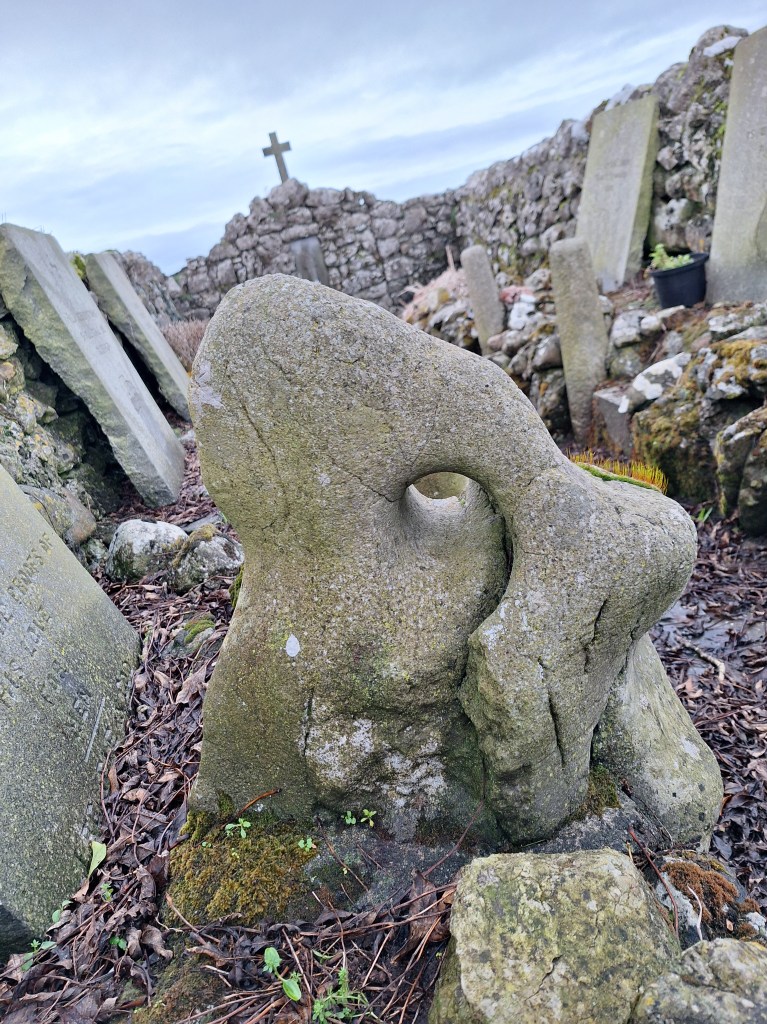
Some have had more recent surrounds or hood built over the initial well and others have become totally overgrown and inaccessible. We are looking to research the wells and their associated stories as a fascinating part of our social history and cultural landscape. Would you have:
- Photos of well (preferable old but not essential)
- Photos of crowds attending a ‘pattern’
- Stories relating to the well
- Information regarding changes to the well when it was ‘done up’ and by whom,
- Mass/pilgrimage dates,
- Associated Saint,
- Associated church,
- Names of the well,
- Cures etc
- Access and contact details if not a GDPR issue
Email us: heritage@offalycoco.ie
 offalyhistoryblog