
Background
One Wednesday morning in November 2013, as I painstakingly ascended several flights of stairs to reach the summit of the Offaly Adult Education building in Tullamore to inquire about the Leaving Certificate subjects of History and English, my mind raced at breakneck speed—not out of excitement for the prospect of taking the course, but in search of a plausible excuse to leave the building as soon as possible and avoid any interaction! This was the last place I wanted to be, but relentless pressure from my ex-wife, Orla, forced me to bite the bullet and investigate the prospect of returning to education. Orla displayed foresight as she observed something within me that she believed could thrive in the classroom environment. Unsurprisingly, I disagreed! I was more familiar with the confines of the construction industry! But to appease her, I agreed to ask about the course, with no intention of signing up! Nonetheless, my cunning plan was shattered faster than the speed of light when I was offered a place starting that same Wednesday morning. A sense of shock and horror enveloped me. Firstly, I was six weeks late beginning the course, and secondly, I had to walk into a room of students, most younger than me!
However, the Offaly VEC instructor, Dr Arthur Broomfield‘s brilliance and dedication ensured that this step into unknown territory soon became far from hostile. In fact, within thirty minutes of sitting in the classroom, I felt an immense sense of pride and realised this was actually where I was meant to be. The allure of academic rhetoric was too great to resist, and the differing opinions were delightful to hear. I finally found my place, and Wednesdays became the focal point of my week for the remainder of the year.
Upon completing the Leaving Cert subjects of History and English, I proceeded to Maynooth University. I earned a Bachelor’s of Arts in History in 2016, a Master’s in Irish History in 2017, and a PhD in Irish History in 2023. The university experience broadened my perspective on how to approach topics, conduct research, write essays, and, most importantly, appreciate the value of education. One of the most satisfying aspects of the past years is the privilege of working as a tutor for undergraduate students at Maynooth University. The interaction with students of all ages and backgrounds, from secondary school leavers to those who are retired, is one of the most rewarding aspects of academia, as they are the lifeblood of all universities. All of the above culminated in my first book, The Irish National Stud, 1900-2025: Horses, Politics and Elitism (2025), which Palgrave Macmillan published this week.
The origins of this book emerged during an undergraduate module on the land question in Ireland, taught by Professor Terence Dooley at Maynooth University in 2015. When summarising the module, Professor Dooley noted that shortly after the creation of the Irish Free State, the transfer of remaining land to Irish farmers was facilitated through the terms of the 1923 Land Act. Compulsory purchase orders were activated on estates, leading to subdivision and redistribution by the Land Commission to farmers who secured loans to purchase the holdings. These loans were commonly called annual land annuities paid to the British government. Professor Dooley noted that horse breeders who owned stud farms in Ireland were excluded from the compulsory purchase orders, prompting the question of whether the National Stud was affected by these circumstances. As the discussion continued, further questions arose about where the National Stud currently fits within Irish historiography. It has, interestingly, received scant scholarly attention to date. Therefore, this publication aims to address this issue and provide the National Stud with a relevant place in the Irish historical record. Notably, none of Irish history’s most popular survey texts significantly reference the National Stud. It is important to note that this publication is the first extensive research study on the origins and development of the National Stud in Ireland.
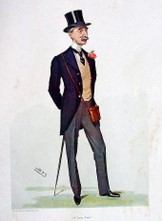
To place this research in its proper historical context, it commences at the turn of the nineteenth century and traces the Stud’s progress throughout the twentieth century and into the twenty-first century. A thematic and chronological approach has been employed, addressing the political, cultural, and social dimensions of horse breeding and the specific role played by the National Stud. Three distinct eras are covered in the publication. The first timeframe explores the origins of the National Stud from 1900 to 1916. Colonel William Hall-Walker established a successful stud farm, Tully Stud, in Kildare during this period. In 1915, with the First World War raging, Hall-Walker offered his stud and its bloodstock to the British government, which drew controversy with opposition from within government circles. However, credit must be given to Hall-Walker as he displayed foresight by encouraging the British government to invest in thoroughbreds to establish the first state-sponsored stud farms in the United Kingdom; this would likely never have materialised without his dedicated campaigning.
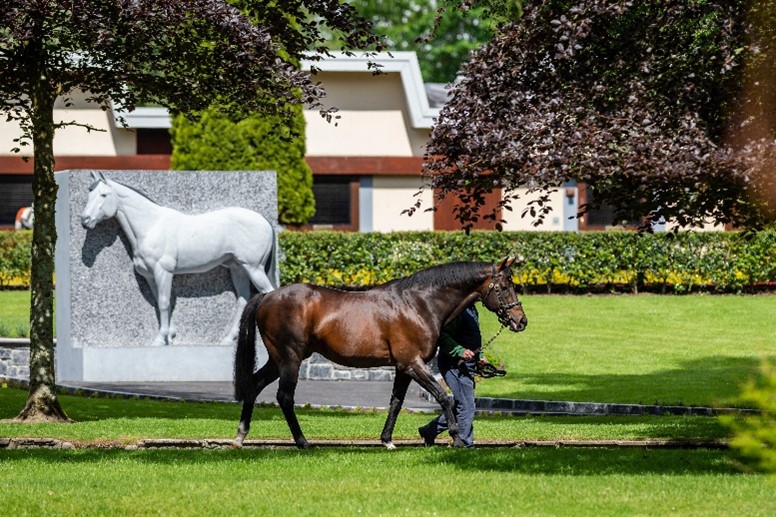
The second era spans from 1916 to 1944, following the British government’s acceptance of Hall-Walker’s offer. This was set against the backdrop of the Irish War of Independence, the Irish Civil War and the creation of the new Irish Free State. During this time, the ownership of the National Stud remained contentious as it was a British-run institution uncomfortably operating in newly formed nationalist Ireland. Much debate ensued regarding which government owned the Stud and its bloodstock, with no agreement reached for over two decades until 1944.
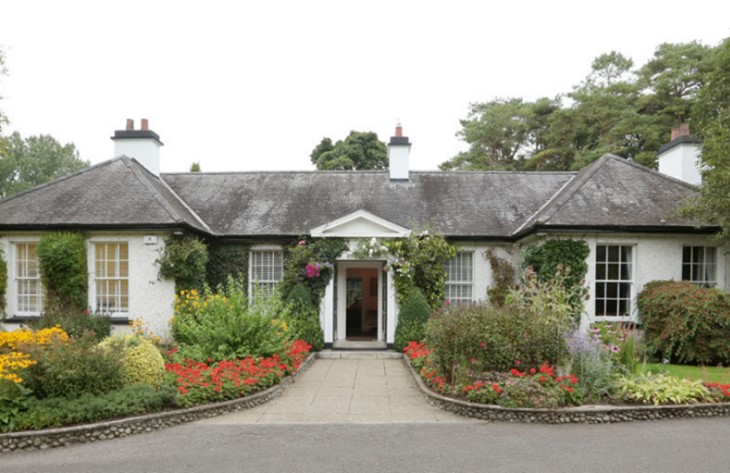
The third era examines the progress and policies of the newly formed Irish National Stud in Ireland from its inception in 1944 to 2025. Moreover, the Stud’s policies and somewhat frosty relationship with the Irish government are questioned. The management of the Stud is closely scrutinised in light of controversial incidents. The book also briefly compares the operations of the Irish and British National Studs from 1944, when they separated into distinct institutions. Additionally, it includes a detailed examination of the backgrounds and dominance of horse breeding and racing by elite breeders, such as Coolmore Stud and the Al Maktoum family, among others, in the United Kingdom and Ireland.
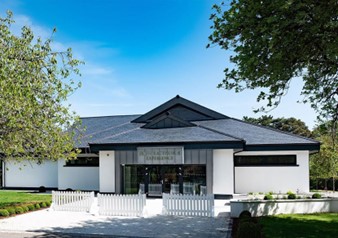
Consequently, the book offers a captivating insight into the interaction between the Irish and British governments over a century of dealings in political and social affairs. A diverse range of primary sources from repositories in Ireland and Great Britain, supplemented by contemporary and secondary published material, has formed the foundations for this publication. Despite its many challenges, the Irish National Stud has endured and competed in an industry dominated by breeders supported by owners with limitless financial resources. In its favour is the Stud’s esteemed reputation, its links to celebrated racehorses and sires, and, perhaps most importantly, its approach to research and training. Particularly noteworthy is its new strategy for tourism initiated by Cathal Beale, which has yielded very successful results, making the Stud considerably less reliant on the stallion market. Indeed, these areas may present a pathway forward for the Stud as both an institution and a business.
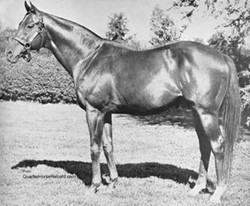
Lastly, it is crucial to mention that this publication is crafted in a tone designed to resonate with a wide audience. It encompasses themes appealing to those interested in academia, politics, social issues, human rights, horse racing, and sports in general. I hope you enjoy the journey; I certainly did!
Listed below is a link to the book…https://link.springer.com/book/10.1007/978-3-031-91635-9.
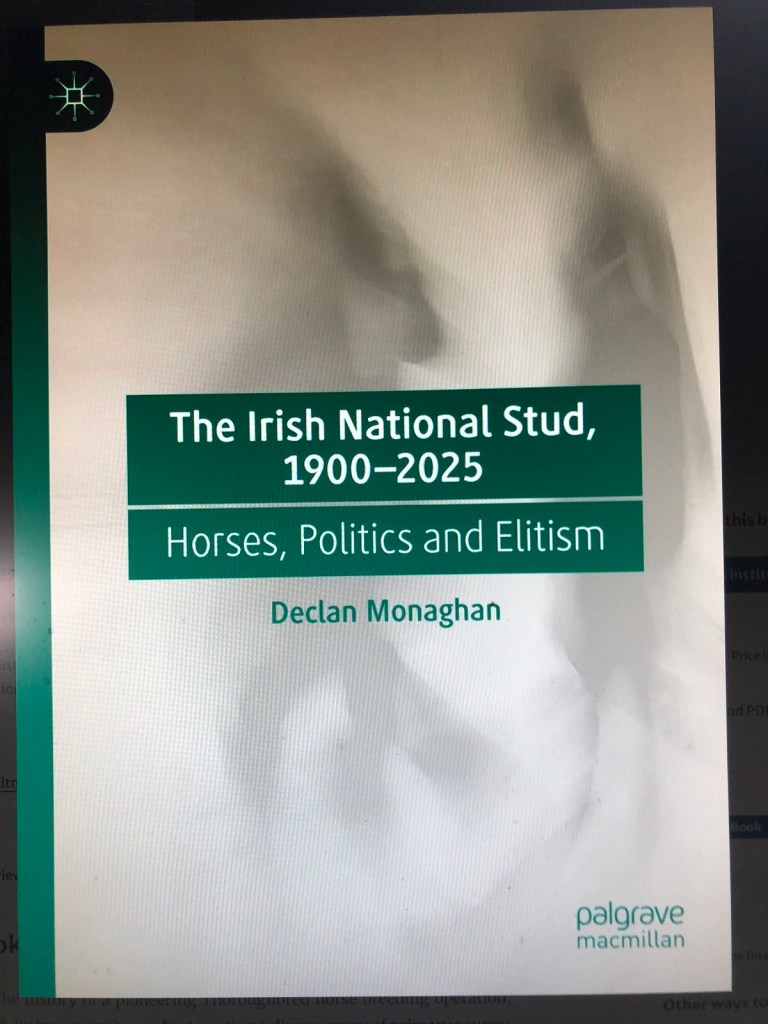
About the author…
Declan Monaghan is a historian specialising in nineteenth -and twentieth-century Irish political, social and sports history. In September 2023, he received his PhD, focusing on the subject of this publication, from the Department of History at Maynooth University in County Kildare, Ireland.
Offaly History congratulates Declan Monaghan on his significant achievement. Copies can be ordered from Offaly History.
 offalyhistoryblog