
A Golden Age
Consumed by political and economic turmoil, the first half of the 20th century was a fallow period for the visual arts and archaeological scholarship in Ireland and certainly Offaly was no different. The post-war period dominated by scarcity and emigration, was particularly stifling.
The first glimmerings of change came with the national festival of An Tóstal in 1953. Emulating the very successful Festival of Britain two years earlier, its primary intention was to boost tourism in the Easter off peak period – or as the poet Patrick Kavanagh called it ‘The Monsoon Season’.
Whether or not the festival brought any tourists to Ireland or not is debatable but it certainly had a dynamic cultural impact, particularly outside of Dublin. Local societies emerged to organise exhibitions of arts, crafts and heritage. An awareness of the need for civic improvements led to the Tidy Towns movement. Most importantly, a spirit of optimism and openness was created.
This sense of a new beginning was particularly evident in Tullamore where a small local elite led by individuals with connections to the Dublin art and theatrical world were beginning to promote a more open and less traditional approach.

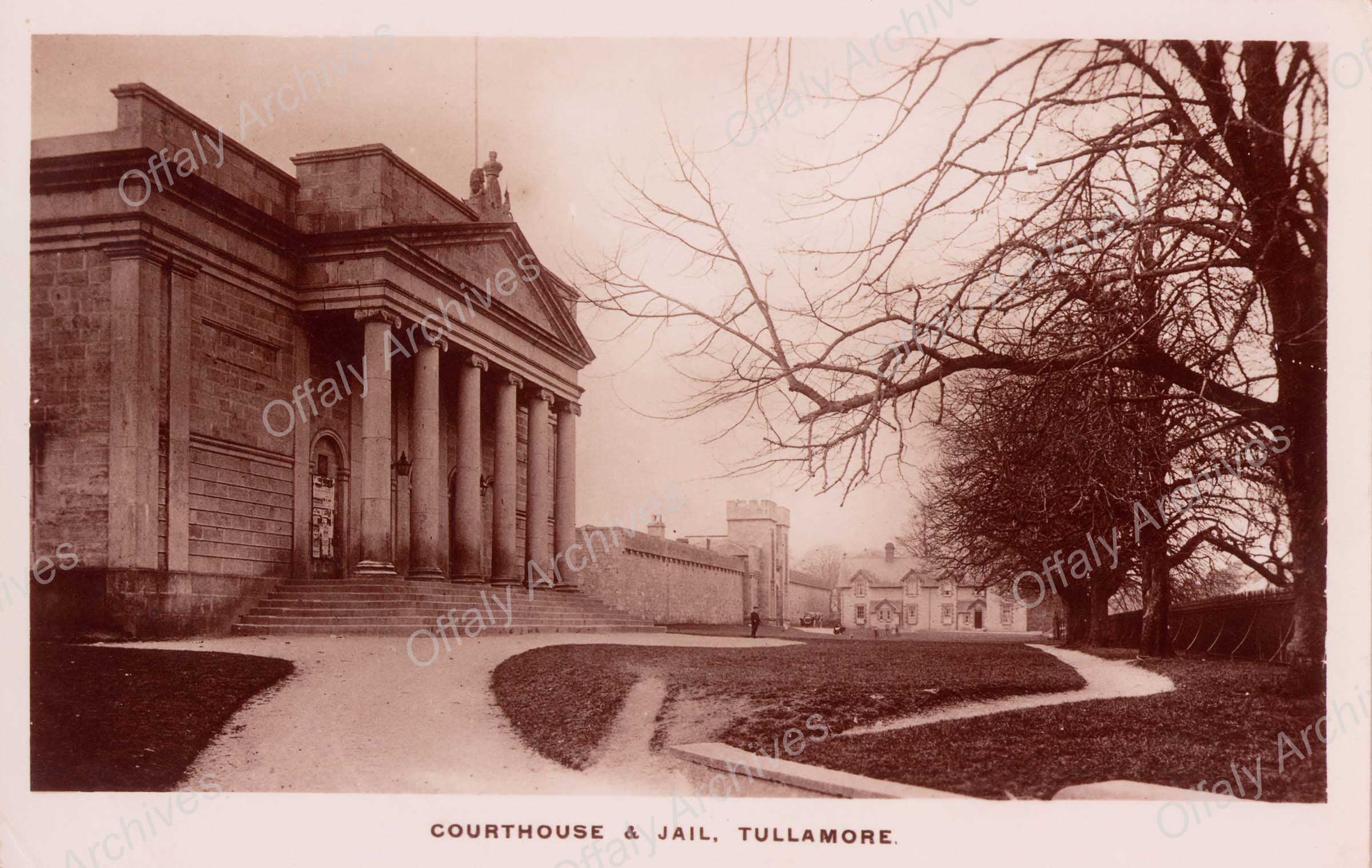
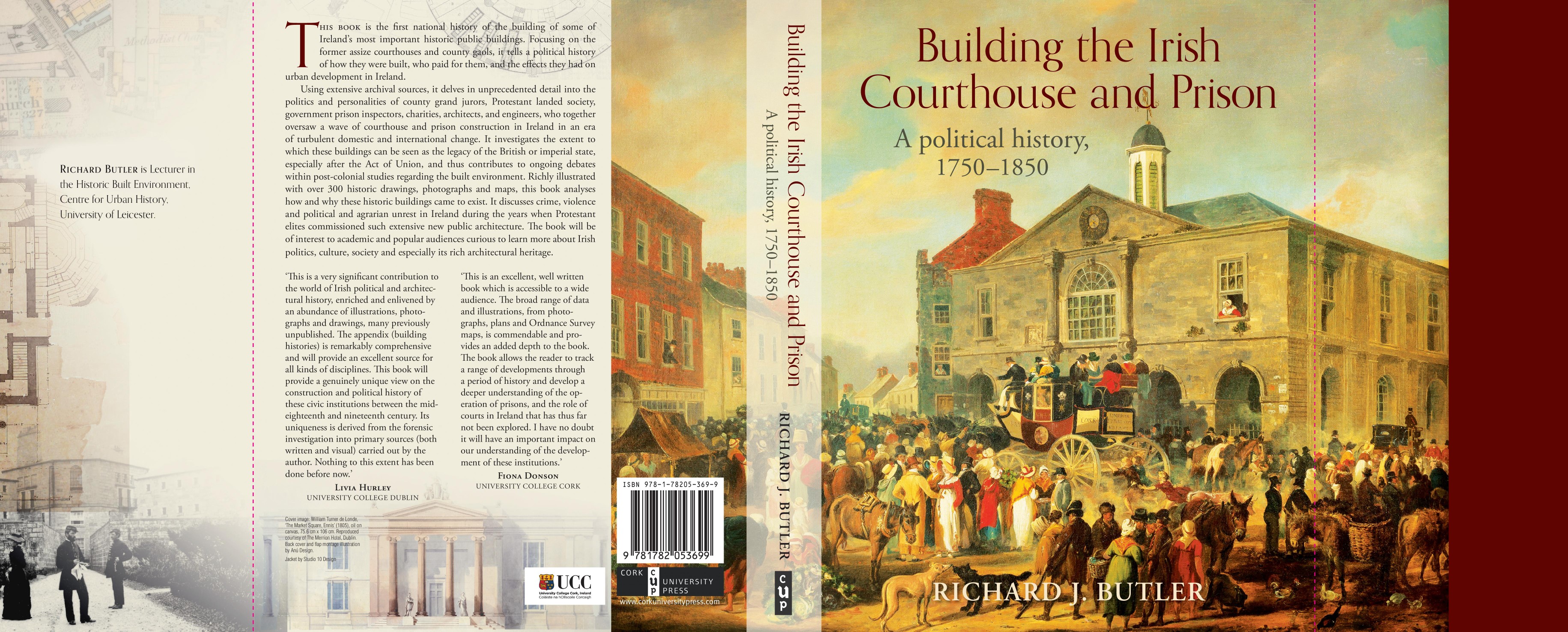 Cork University Press has published a major new reference work on some of Ireland’s most well-known public buildings, entitled Building the Irish Courthouse and Prison: a Political History, 1750-1850. The author is Richard Butler, a native of west Cork who lectures in Irish history at the University of Leicester. This lavishly illustrated book traces the history of how and why these celebrated architectural treasures were built in Irish cities and towns in years marked by the Great Rebellion of 1798, the Act of Union of 1800, and the Great Famine of 1845-52. It is the fruits of the author’s doctoral dissertation at the universities of Cambridge and Wisconsin-Madison in the United States. For the first time, it offers a national survey of the largest and most impressive of these buildings, where judges, juries, landed aristocrats, and government officials met to administer law and order in Irish counties.