

Cholera was the epidemic disease most feared around the world in the nineteenth century.A letter from Tullamore of 1832 describes the devestating disease of cholera. ‘We had 165 deaths. All bridges to the town are cut and broken. Every house is shut up and there is no such thing as business. Men who would eat their breakfact in perfect health would be buried before dinner.’
In the eighteenth century neighbouring countries began to suffer from the disease and in the nineteenth century it attacked Europe. Cholera spread around the world in great epidemics from its traditional base in the Indian sub-continent and carried with it high mortality rates, severe suffering and terrifying symptoms. These began in 1817 but the first wave did not reach Europe and was halted temporarily at the shores of the Caspian Sea. From there in 1829 it spread rapidly through Europe. It arrived in Ireland around St Patrick’s Day 1832. This was the most serious cholera outbreak in Ireland in the nineteenth century and it has been estimated that 25,378 people died during that epidemic. The Irish death rate was high when compared to other countries for the same period.

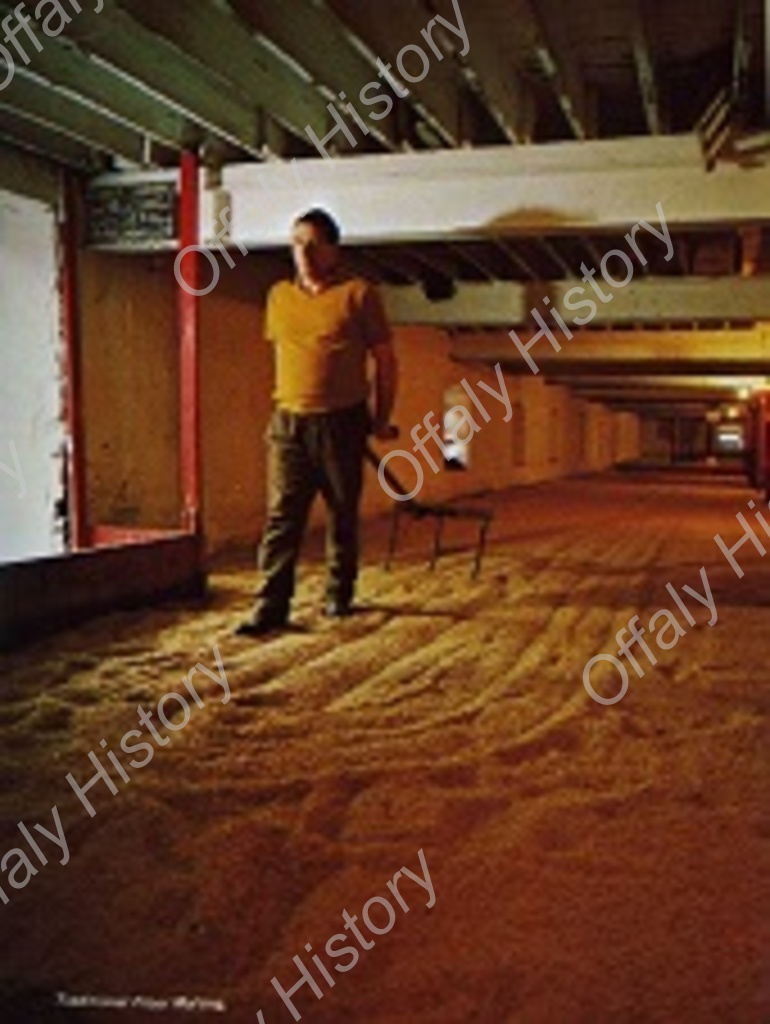
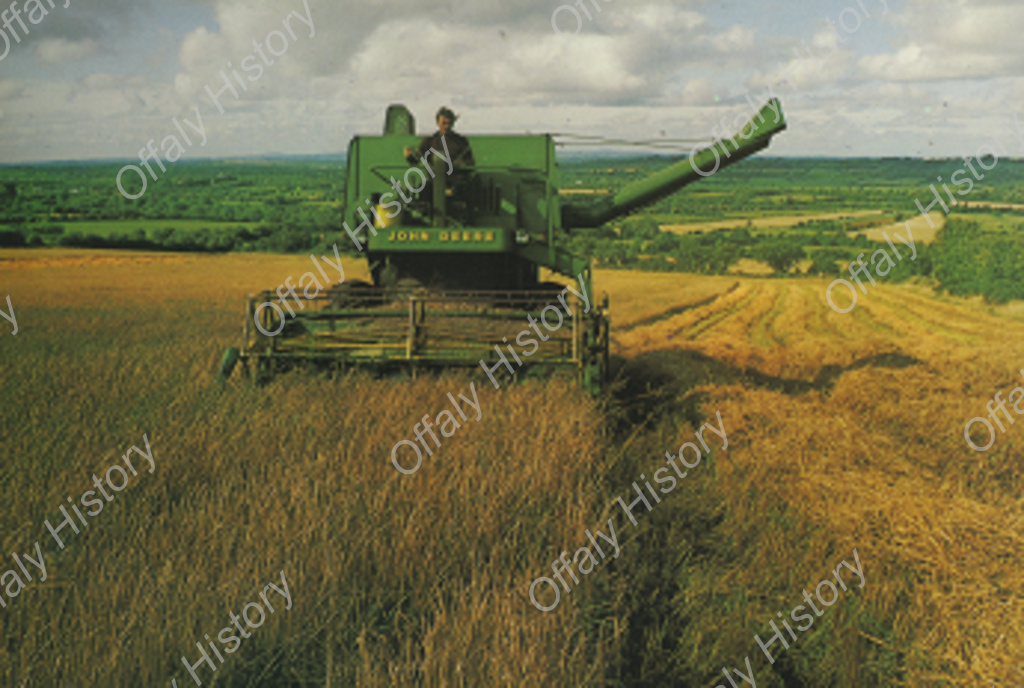


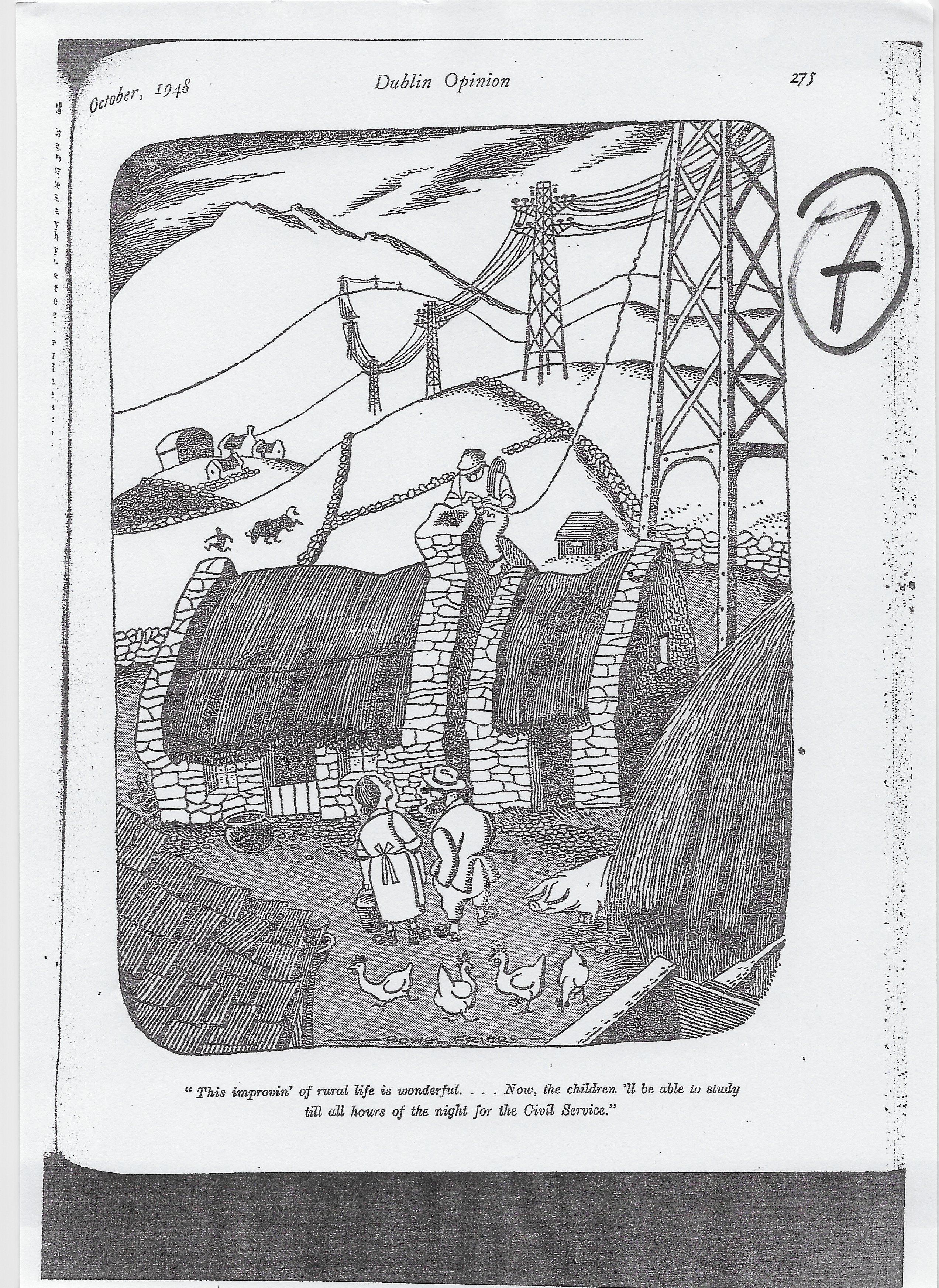 In October 2014, following an introduction by Amanda Pedlow and Stephen Callaghan, an understanding was reached with the late Stephen McNeill, the then President and Micheal Byrne Secretary of the Offaly and Archaeology Society for them to assist and source interviewees in connection with my project to record persons talking about their memories of life around and about ‘The arrival of the rural’ in Offaly, to date I have recorded over 30 persons in Offaly. Since August 2016,utilising excepts from recordngs, a 45 minute audio/slide presentation which was shown by me to members of History Societies in Edenderry, Tullamore, Rhode, in March 2019 a fourth presentation was shown to members of the Ballinteer Active Retirement Association. A fifth presentation is scheduled for showing in Bury Quay, Tullamore in early 2020.

 offalyhistoryblog