

As we make our way along we start to make the journey to Ballycommon, we come to Townparks townland, in the Electoral Division of Daingean, in Civil Parish of Killaderry, in the Barony of Lower Philipstown, in the County of Offaly. The Irish name for Townparks is Páirceanna an Bhaile. Townparks townland in Daingean has the site of Fort Governor which was built in 1547 on the site of an O’Connor Castle stronghold.


along this line we come to one of the gems along this way, the Bord Na Mona lifting Bridge, It’s an interesting spot and a great location to get the camera out. From the late 18th century, the canal was used as a way to transport turf from different cutting points along the line. As trading long the canal was increasing rapidly and was even more encouraged when charges were abandoned, the one that was always a difficult trade to control was the “Turf”[1].

A few incidents along the line was reported, before the construction of the Circular line, including situations where turf traders, held up and demanded change to the dispatching and the price of turf. After a standoff with an angry crowd, that were armed with swords and guns. The canal company, compromised with the people and ordered that all boats display a clear sign with the price of their turf.
During this time quays were used along the canal to unload turf and an inspector was appointed to see the overall control of the Turf trade. By the early 19th century, a steady flow of boats travelled up and down the line, with up to 33,000 tons every year arriving for dispatch. G- Boats were the main boat used when transporting product and with a fixed toll now applied to all traders, this encouraged the use of greater loads.
But with bigger boats, brought bigger problems. As large companies or traders occupied the quay spaces more. This caused a slower turn around, to fix this problem. The canal company offered money to any boat owner willing, to store turf in Yards. But these elements did not benefit the smaller businesses and with this brought more violence. Boats were attacked daily, and some even sunk.
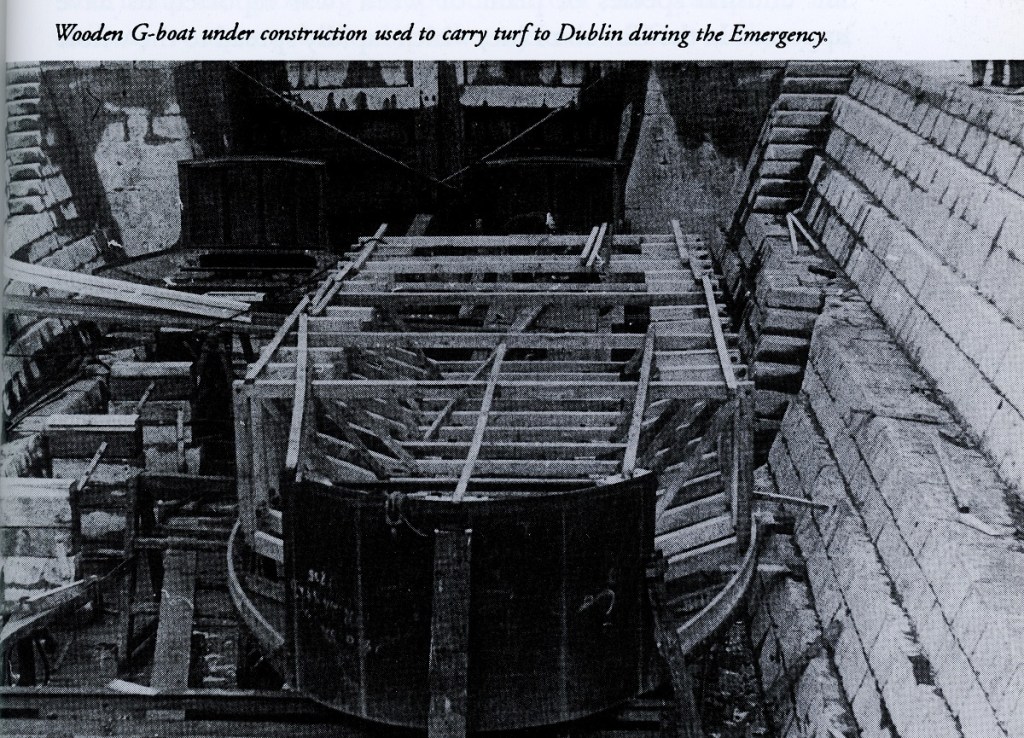
A meeting was arranged and a promise to help the smaller traders was put into writing, this helped relieved the situation. Even do from time to time, trouble did flare up[2].

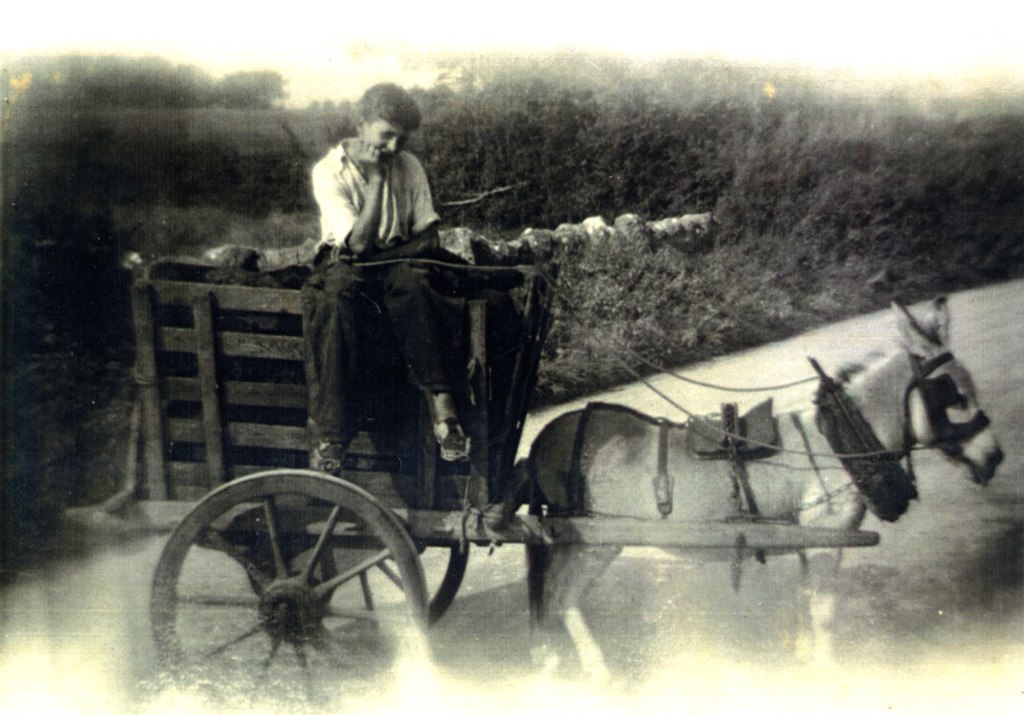

(05: A selection of old photos showing the work done before the turf was send off to the Boat, Image Source Offaly History)
As we come closer to Ballycommon, you will make your way closer to the first lock that is located along the east to west Grand Canal line. Just outside Ballycommon near Chevinix Bridge we come to the site that once stood the tallest man made telecommunications mast structure. Once standing tall at over 900 feet, was demolished in July 2023. Originally constructed in 1975, lasted used in 2008.
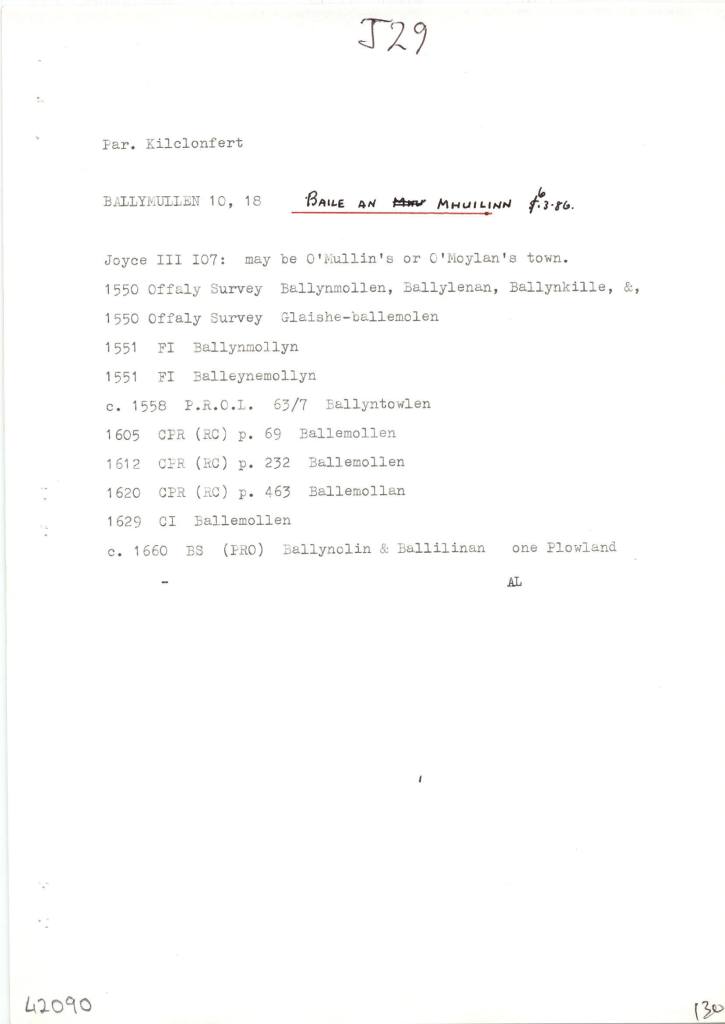
First Townland is Ballymullen: in Civil Parish of Kilclonfert, in the Barony of Lower Philipstown. The Irish name for Ballymullen is Baile an Mhuilinn.

| Townland | Area | Pop. in 1841 | Pop. in 1851 | No. of Houses in 1841 | No. of Houses in 1851 | Pop. in 1871 | Pop. in 1911 | No. of Houses in 1871 | No. of Houses in 1911 |
| Ballymullen | 302 | 128 | 78 | 20 | 16 | 68 | 36 | 13 | 11 |

In 1911 Ballymullen had one of the smallest record of houses in the area, during this period the household returns and ancillary, shows us that there was 11 buildings all of Private Dwelling, with 8 inhabited, with classes of houses between 3rd and 2nd . Age ranging from 1-83. Here are some of the families that occupied these buildings during this time:
| Class of House | Surname | Religion | Occupation in House | Family members |
| 3rd | Smith/ Connor | RC | Farmer | 8 |
| 2rd | Connor | RC | Farmer | 2 |
| 3rd | Hanlon | RC | Farmer/ Domestic Servant | 7 |
| 3nd | Connor | RC | Farmer | 5 |
| 3nd | Campbell | RC | Farmer | 5 |

This spot is best known along the Grand Canal for its landscape as you walk or cycle along the line, it has a stretch of open fields and bogland. Don’t forget to stop and take in the view, as Ballycommon Canal line. As we travel from east to west along the, the wild landscape that surrounds the Grand Canal, is captivating and shows an unpolished beauty and is wonderful and relaxing way to discover and be inspired, be it poets, writers or artists. There is something for everyone along the line.
Next we come to the Geashill Parish, let’s first look at Knockballyboy, the Irish name for Knockballyboy is Cnoc an Bhaile Bhuí meaning Hill of Hugh’s yellow t/land. It contains one of many ancient sites, and enclosure can be seen on Knock Hill.

(10. Kockballyboy, Map of Grand Canal Offaly 001360 Source: Waterways Ireland)
Enclosures are most common archaeological features that can be found in Ireland. They can be distinguished by certain features such as no entrance into the area and vary in size from Small to Large. Enclosures found on hills, like the one on Knock hill, is called a Hilltop Enclosures, there were built on higher ground for reasons of strong protection. The reminders of such enclosures are more visible from the air, they are also known as “Cropmarks”.
| Townland | Area | Pop. in 1841 | Pop. in 1851 | No. of Houses in 1841 | No. of Houses in 1851 | Pop. in 1871 | Pop. in 1911 | No. of Houses in 1871 | No. of Houses in 1911 |
| knockballyboy | 1,476 | 437 | 254 | 79 | 50 | 154 | 41 | 38 | 35 |

(11. Kockballyboy census Ireland 1911, Image Source www.census.nationalarchives)
In 1911 knockballyboy had one of the largest record of houses in the area, during this period the household returns and ancillary, shows us that there was 35 buildings all of Private Dwelling, with 30 inhabited, with classes of houses between 3rd and 2nd . Age ranging from 1-83. Between 1841 and 1911 the population decreased by 396 people. Leaving 41 residents at the time. Here are some of the families that occupied these buildings during this time:
| Class of House | Surname | Religion | Occupation in House | Family members |
| 3rd | Cuskelly | RC | Farmer | 6 |
| 2rd | Byrne | RC | Farmer | 8 |
| 3rd | Hackett/Byrne | RC | Farmer/ Dressmaker | 7 |
| 3nd | Egan/Kelly | RC | Farmer / Carpenter | 4 |
| 3nd | Crummy/Delany | RC | Farmer | 7 |
| Belle | RC | Farmer | 2 |
Canal Employees: Today with Ireland been one of the top Holiday destinations every summer, providing a great selection of shops and tourist activities to choose from, many situated along or near to the Grand Canal. As the canal being one of many tourist destination it provides ideal for boat cruising and canoeing.
The Grand Canal is filled with many stories and hiding secrets. Let’s have a look back to the introduction of the future of trading along the Grand Canal and to unlock some of its historical events and facts associated with the businesses that arose during this period.
With the Grand Canal having established its name for its remarkable trading along the line and the canal system provided a fairly easy reach to the connecting towns. Construction along the canal line, began to see the move from inland to outland towards the Grand Canal line, with the value of the land along the canal almost doubling, as did tillage. With the building of the Canal it brought hope for the people of the townlands especially the small townlands, it helped rebrand towns into known destinations along the line and brought with it new ways of living for younger people.
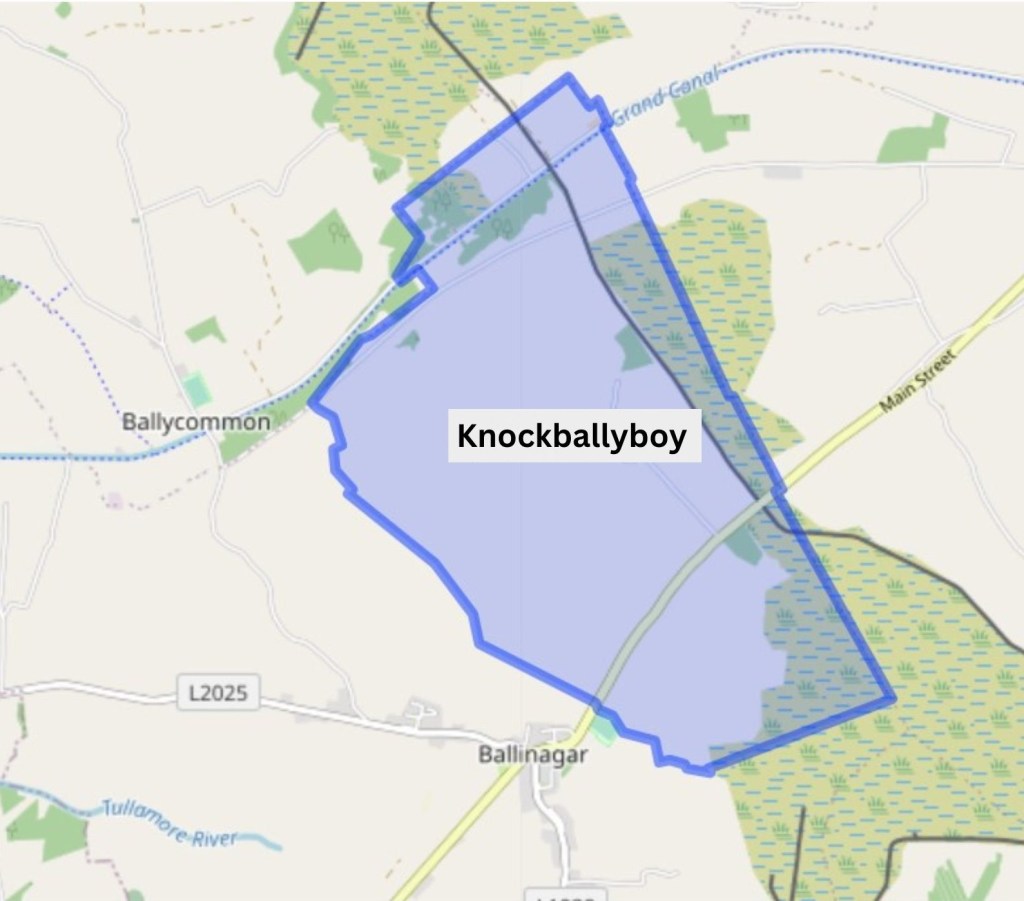
(12. Knockballyboy, Source: Townlands.ie)
An example of this can be seen with John Donnelly, who was one of the youngest people to become an entrepreneur at just 16, he owned and managed a line of trading boats along the Grand Canal, He ran a successful business for many years. During the late 1840s he decided to take the long trip to Australia, with his wife and child, where he set up business again, owning stations along the river, with a frontage of forty miles[1].
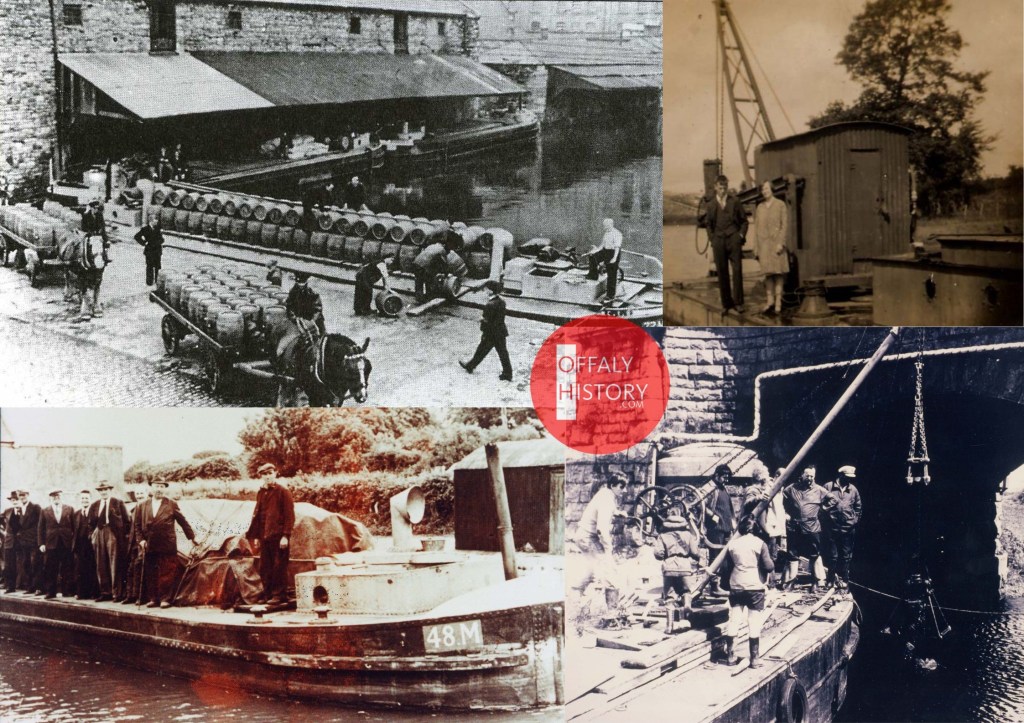
(13. A selection of images showing the many works that worked along the line/ Image Source/ Offaly History)
Ballycommon Townland, Civil Parish of Ballycommon, in the Barony of Lower Philipstown. The Irish name for Ballycommon is Baile Uí Chomáin.
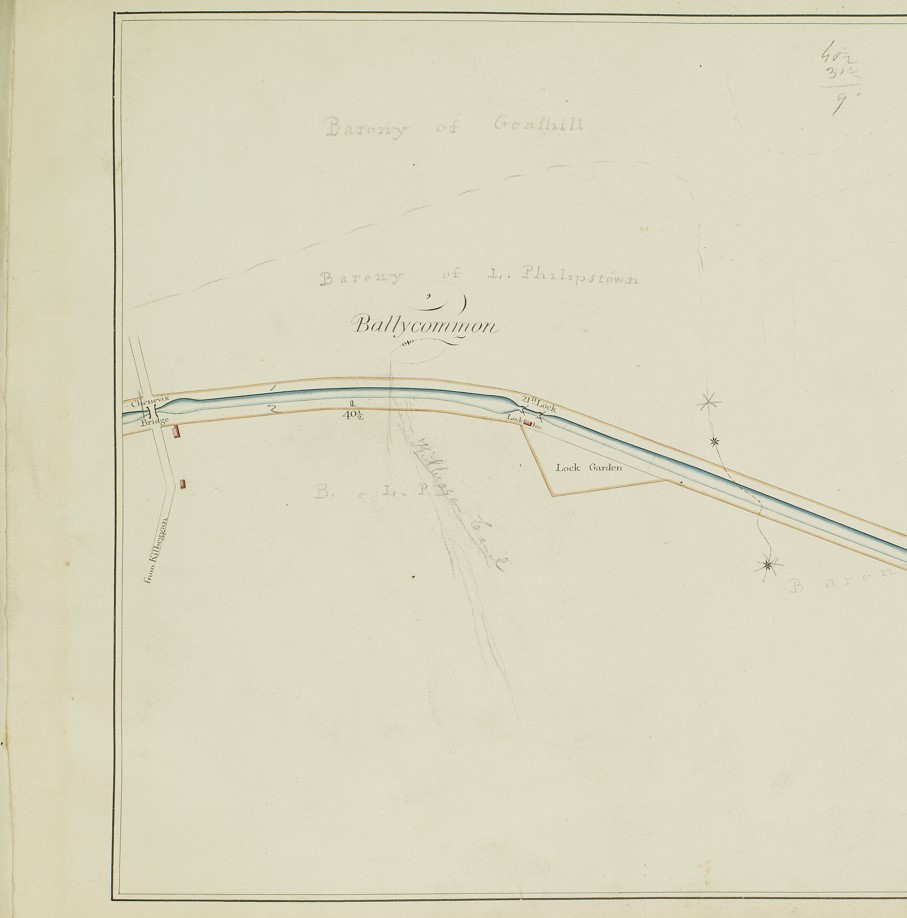
(14. Ballycommon. Map of Grand Canal, 001360, Image source, Waterways Ireland)
| Townland | Area | Pop.in 1841 | Pop. in 1851 | No. of Houses in 1841 | No. of Houses in 1851 | Pop. in 1871 | Pop.in 1911 | No. of Houses in 1871 | No. of Houses in 1911 |
| Ballycommon | 1,249 | 258 | 253 | 51 | 47 | 139 | 140 | 26 | 27 |

In 1911 Ballycommon had an average record of houses in the area, with the population decreasing by 118 people by 1911. During this period the household returns and ancillary, shows us that there was 28 buildings all of Private Dwelling, with 27 inhabited, with classes of houses between 1st 2nd and 3rd. Age ranging from 1-90. Here are some of the families that occupied these buildings during this time:
| Class of House | Surname | Religion | Occupation in House | Family members |
| 2rd | Mahon /Roe | RC | Farmer | 15 |
| 2rd | Roe | RC | Non recorded | 3 |
| 2rd | Brock/Vicars | RC | Farmer/ Domestic Servant | 7 |
| 3nd | Sheeran | RC | Agricultural Labourer | 6 |
| 3nd | Kelly/Domican/Doyle/Carroll/Logan | RC | Master of steamer/boatman/boat Master/Engine Driver | 15 |
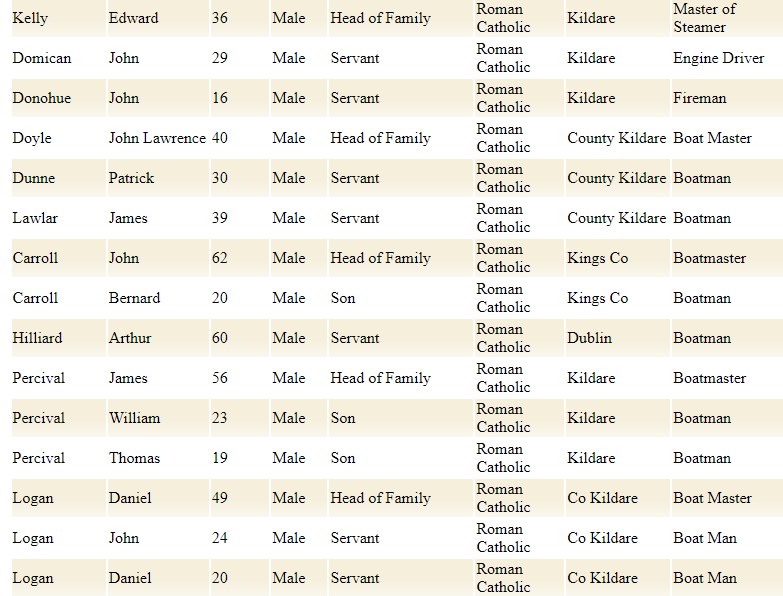
Ballycommon civil parish is oval in shape and is three miles in diameter, it runs alone the Grand Canal at its South end and was once known as Ballycolman, but was later changed to Ballycommon. It once use to be known for its interesting archaeological remains, this has since disappeared and is only now known in name[3].
6km from Bord na Mona Bridge (Second Bord na Mona Bridge) we come to Ballycommon Bridge and house. This is the first lock along the way. Lock number 21. It sits just alongside the Ballycommon House.

Where it has stood for years, seeing the goings and coming of travellers along the canal. No date can be set from how long a structure has been in this place, but it is suggested that a house of some sort has always been here since the building of the Canal in the late 18th Century.
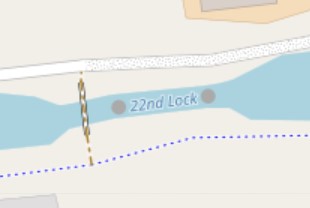
Now a lovely b&b holiday home, serving tea & Coffee with stories of the Canal. Definitely a worthy stop along the way. As we make our way future along we come to a small Bridge called Cappyroe Bridge, located just a few steps away we come to the 22nd Lock.
Making our way out of the Ballycommon Parish, we come to the 23rd Lock. As we make our way along the line , let’s look back on some of the important features and fact that the Ballycommon has to offer us, it’s a location to take in the wild beauty of the bog and canal, it has inspired many poets, and writers, such as Paul Henry and George Campbell. It offers a wide range of spots for you to get your camera out and also is home to one of the main Holiday homes you can stay in to feel closer to the Grand Canal.
Next time we will be looking at Geashill Parish and and the townlands , here we will be taken a trip back and looking at the introduction of trade along the grand canal, and will be unlocking some of its historical events and facts associated with the businesses that arose during this period.
[1] Brown Gold A History of Bord na Mona and the Irish Peat Industry. Donal Clarke. Gill &Macmillian LTD. 2010, Pp5-18
[2] The Grand Canal” Ruth Delany, The Lilliput press, (1995), Pp 81-85
[3] Offaly, Through Time & Its Townlands. Thomas Lee. Pub. Ottait Publishing. 112-113
 offalyhistoryblog