
How often have we seen relatively small scale and cheap solutions deferred in the expectation that more ambitious longer-term projects will arrive at some future date to solve everything? Frequently the costs of the more grandiose schemes balloon over time and their implementation indefinitely deferred or even abandoned. Meanwhile the problem gets progressively worse – often to the point that any solution becomes unrealistic.
While the making of good long-term plans must always be pursued, the delivery of shorter term and achievable remedies should not be easily dismissed. Two high profile projects in the Tullamore area offer classic examples of the dilemma.
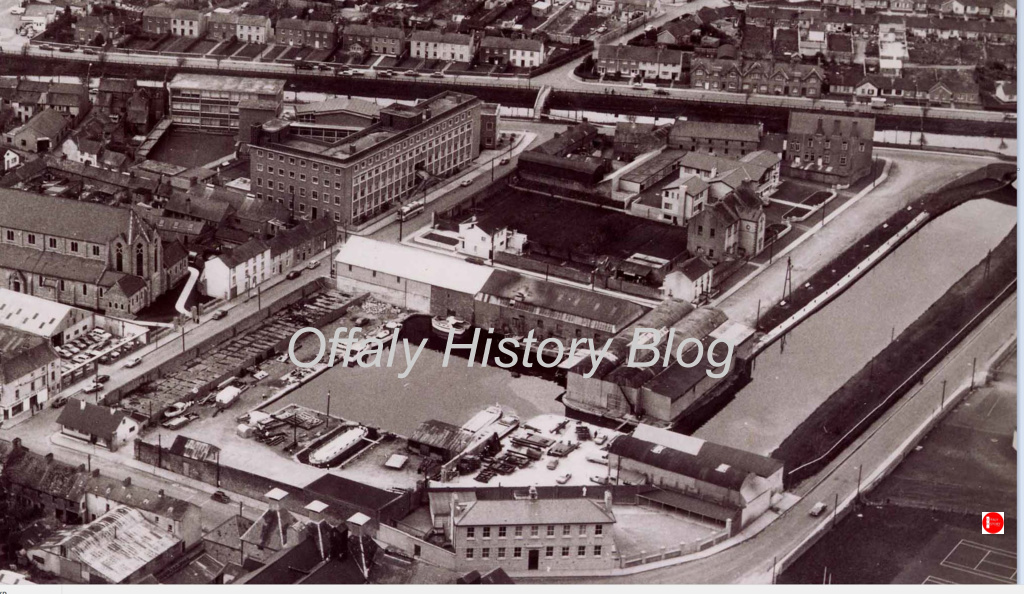
Grand Canal Harbour
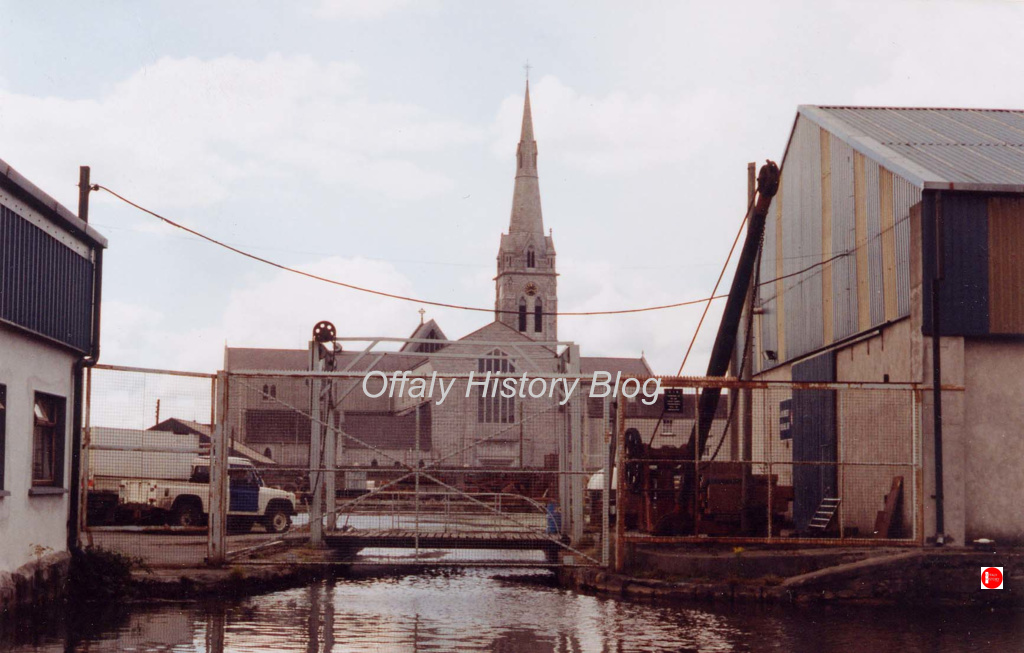
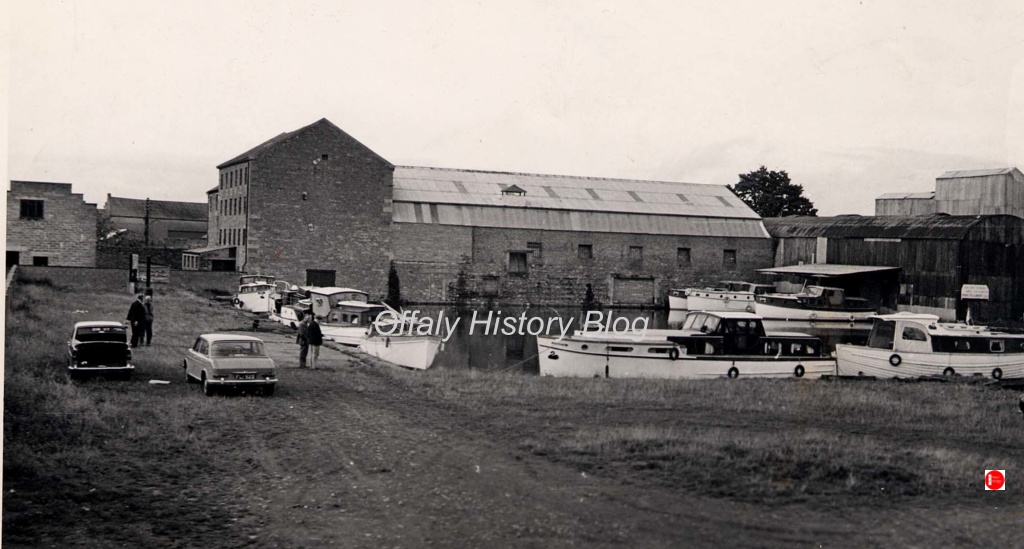
Tullamore is unique in being the only town in Ireland that has a large but inaccessible and invisible water body right in its very centre. For two and a quarter centuries, hidden by high walls, the Harbour has been a mysterious presence, known only to those who had business there. As canal traffic began to decline in the 1960s the possibility of its opening up became an exciting prospect but it became the servicing base for Waterways Ireland and continued its inviolable industrial estate character. Offaly County Council adopted a Local Area Plan for its integration into the life of the town in 2004 but that went nowhere and lapsed in 2010.
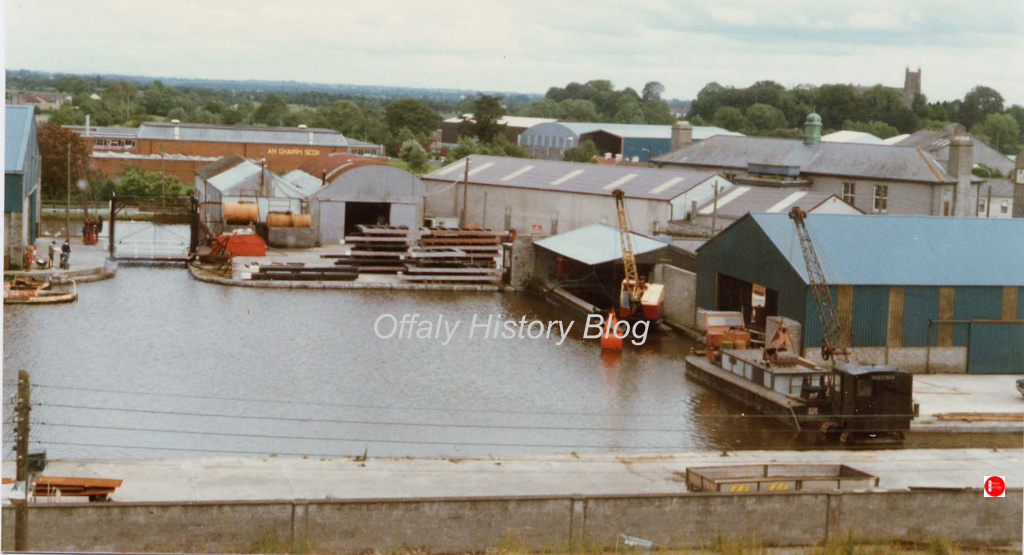
Now, with Waterways Ireland moving out to a new base next year, imaginative ideas for the Harbour are being discussed. Last June the establishment of a Working Group, headed by the Council and Waterways to explore these, was announced but ten months later it is unclear as to whether the body has ever met or even been formed.
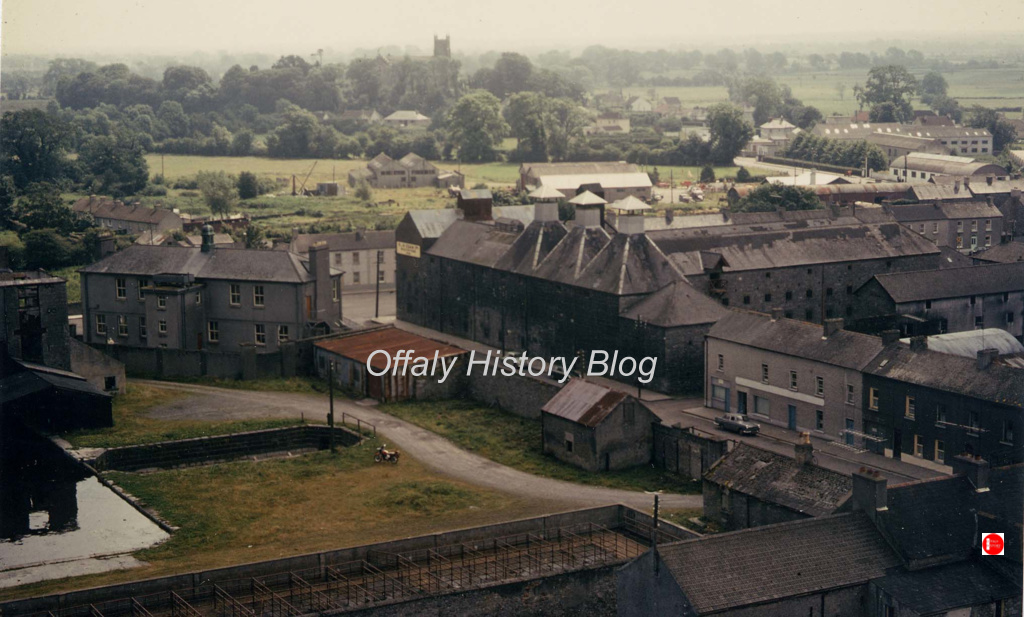
When it eventually does, a firm plan for the future of the Harbour and its contribution to the social and economic life of Tullamore can be formulated and adopted. The task of attracting investment can then begin and in the fullness of time a construction programme will turn the Harbour into a busy building site. Sometime around 2040 or 2050 the grand project will be complete and the public will enter and marvel at the transformation.
That is too long to wait.
On the day that Irish Waterways decamp to their new ‘ Craft Centre of Excellence’ at Cappincur the six metre high wall, which is not a Protected Structure and which has no architectural merit whatsoever but has long turned its blank face to Store Street, should come down to reveal a small, simple but cheap garden with some seats so that the people of Tullamore can come in and enjoy even a little of the waterside of their hidden Harbour for the first time ever.
Durrow Abbey
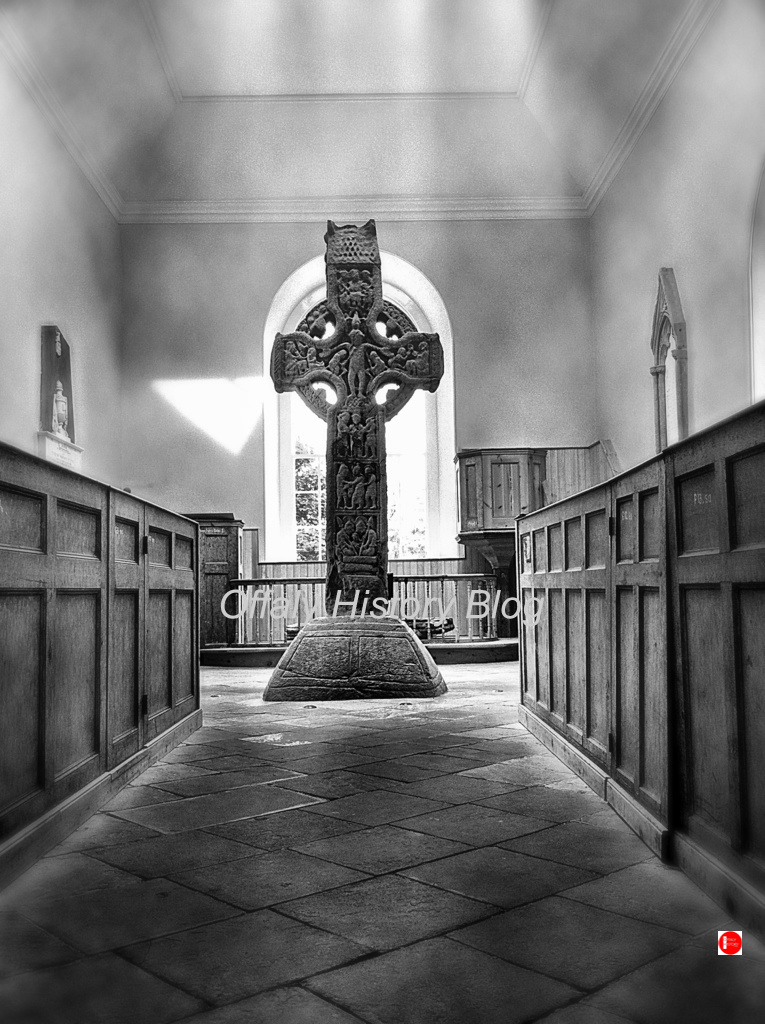
The ancient monastic site of Durrow is a place of great charm and character. Its architectural and historical importance is reflected in its unusual concentration of National Monuments, Heritage Sites and Protected Structures; matched only in County Offaly by the ancient city of Clonmacnoise.
The avenue to the House and the monastic site is through an elegant curved entrance gate adorned with elegant pillars and ironwork. Unfortunately, this is off the N52, the busy link between the M6 Motorway and the Tullamore bypass and a major national north to south link through the Midlands.This straight stretch of road encourages high speeds and there is little carriageway space to allow for right hand turning movements into the Durrow Abbey entrance to be achieved in safety. As the years go by, traffic volumes on the road can only continue to grow.
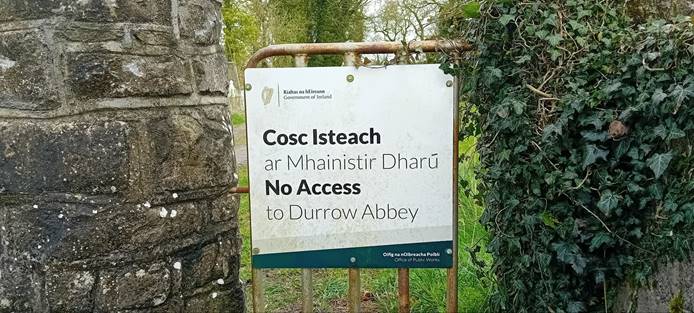
These real concerns have resulted in the closure of the access to the estate through the historic entrance avenue but no alternative has yet been considered.
At present the solution to the problem which has been put forward by the responsible authorities is the construction of an entirely new N52 link to the east of Durrow Village and which will reduce traffic on the old road. However the programme for the delivery of this major piece of infrastructure seems to be very much up in the air right now.
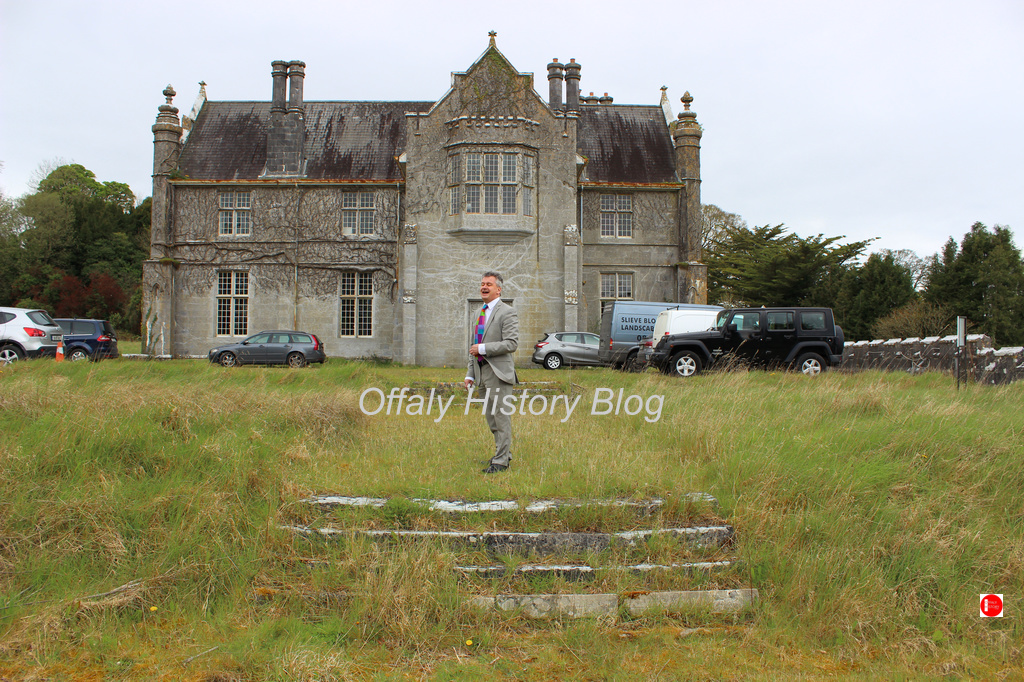
The OPW acquired the monastic site, the Abbey House and 70 acres of land in 2003 for €3.2 million. The vulnerable High Cross was moved into the 18th century Church of Ireland which was excellently restored. However, plans for the site and a visitor centre fell by the wayside after the crash of 2008 and now all public access, even the famous Pattern Day which had been observed from time immemorial, has been prohibited. Meanwhile the House, which is a noted Protected Structure, falls into decay and the OPW’s investment (and apparently its active interest in the site) is diminishing.
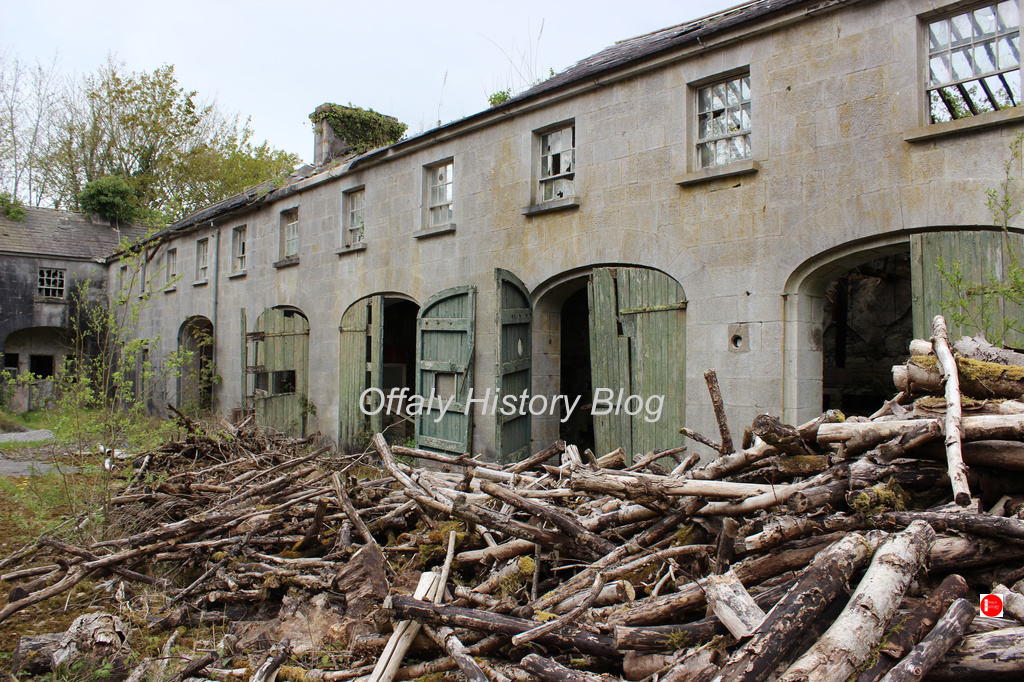
As with the Harbour, an interim solution which allows public access in the short term should be considered.
One possibility might be the construction of a median opposite the entrance, thus eliminating right hand turns across speeding traffic. Junction improvements and signage, or even a new roundabout at the crossroads to the south, could direct visitors northwards back to the entrance and permit left in-left out movements in safety.
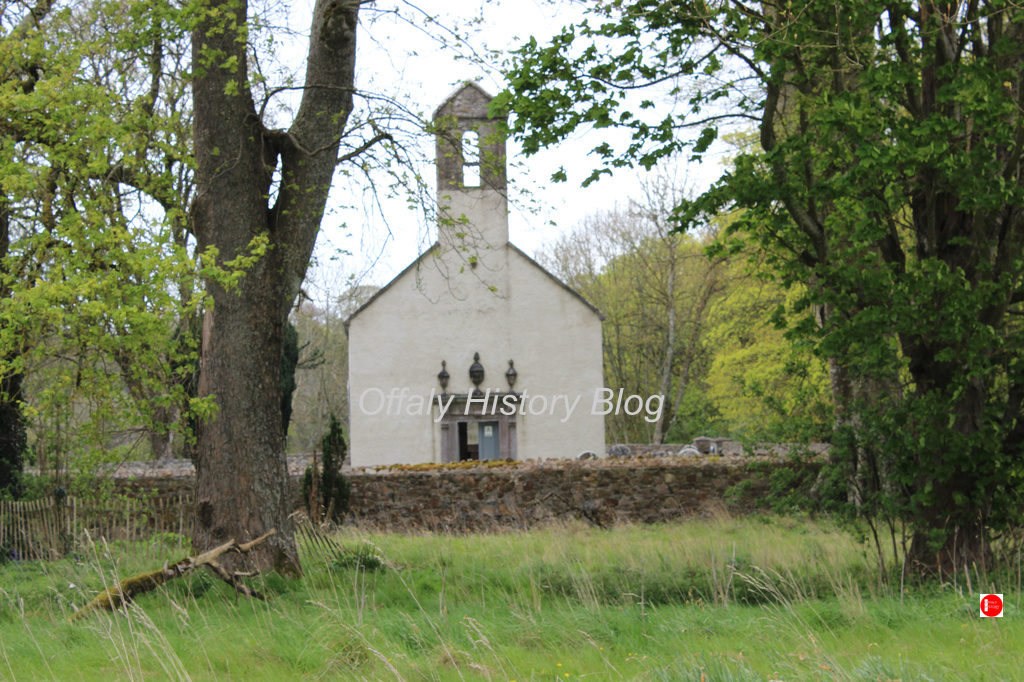
The unthinkable alternative is the permanent closure of one of the most important ecclesiastical sites in Ireland.
Thanks to Fergal MacCabe for the insights in this article. Pics and captions Offaly History.
 offalyhistoryblog