
I grew up on a small farm beside Lemanaghan Bog, and to this day I can still feel the rhythm of those summers spent wandering up and down the lane that led from our 150 year old farm house to the bog. It wasn’t just a lane, it was an enchanted corridor. The hedges were alive with native flora and fauna, and as children we were convinced there was something mystical about that stretch of road. Maybe it was the way the light filtered through the trees and hedges or the rustle of wings from creatures we could never quite see. Whatever it was, it shaped our imaginations long before we understood the world beyond it.
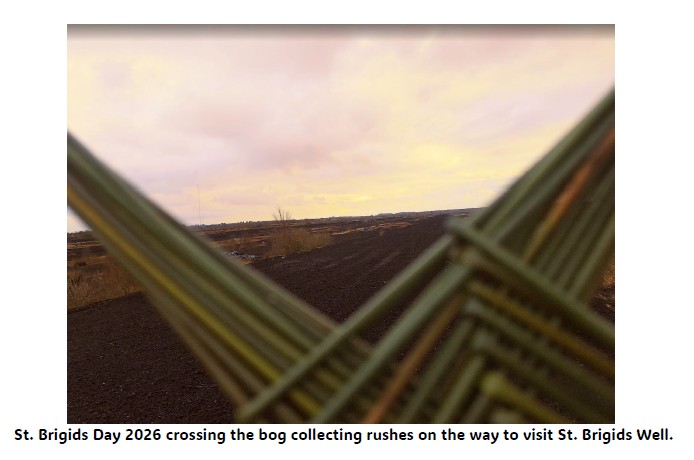
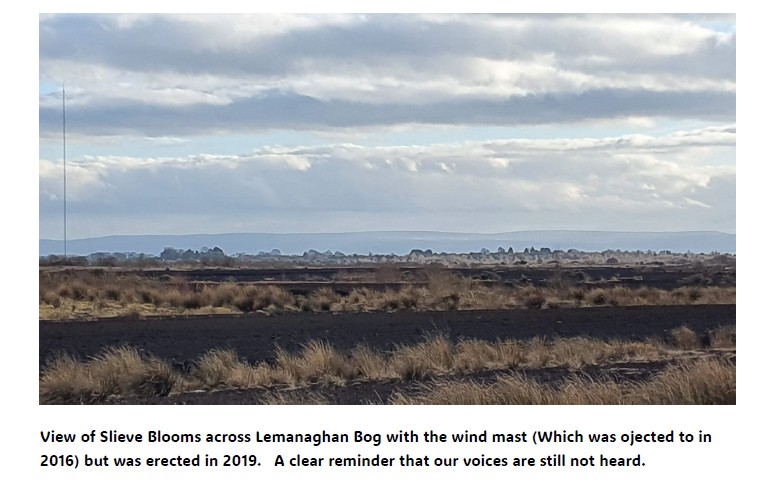
From the top of the lane, the view swept across the bog all the way to the Kinnitty Mountains which is what we called them then, though of course they are the Slieve Blooms. Their colour changed with the weather: soft blues on warm days, deep purples in the evenings, and that unmistakable dark, heavy shade that meant rain was on the way. Some days they felt close enough to touch, other days they drifted away like a dream. That shifting landscape was the backdrop of our childhood.
I was lucky, truly lucky, to grow up with my grandparents. Not everyone gets that gift. They filled our days with stories, traditions, and the kind of work that didn’t feel like work until you were old enough to realise it was. As a small children on the bog, we were more of a hindrance than a help, too busy chasing frogs, spotting bog lizards, or watching butterflies and dragonflies dance over the bog waters. If you had to go in evening, you would get ate alive by midges and it would cause great distress but of course knowing that they are a vital food source in a healthy ecosystem, was good reason enough to put up. It was magical, and we didn’t know it then, but those were the moments that would stay with us for life.
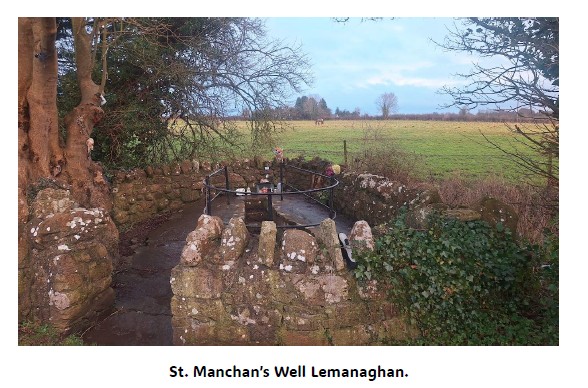
Of course, when you got older, the magic didn’t excuse you from the reality of saving turf. As the saying went, “If you want to keep your arse warm for the winter, you need to help save the turf.” At the time, I thought it was hardship. Other families didn’t have to go to the bog, and I envied them. But looking back now, I see it differently. Those balmy summer days, the laughter, the bottles of water buried in a bog hole to keep cool, the quiet companionship, they were some of the happiest times of my life.
A Landscape Layered with Time
What makes Lemanaghan truly extraordinary is not just its beauty or its wildlife, but the sheer depth of history held within its soil. This landscape is a tapestry woven from thousands of years of human presence — Mesolithic hunter‑gatherers, Neolithic farmers, early Christian monks, medieval pilgrims, and the families who still live here today. All of these eras sit side by side, layered gently through the bog, preserved in a way that few places in Ireland can match.
Across the bog, the old toghers still lie beneath the surface — wooden trackways built by our ancestors to cross the wetlands long before roads existed. Some date back to prehistory, others to the early Christian period. In recent years they’ve been called pilgrim paths or mass paths, but whatever name they carry, they are proof of continuous life, movement, and devotion across this landscape. These paths connect us to places of deep significance like Clonmacnoise and the Hill of Tara and are the only remaining paths from our past that we have. They need to be protected. Generations walked these routes with purpose: to travel, to worship, to trade, to survive. When you stand on the bog today, you are standing on the same ground they crossed.
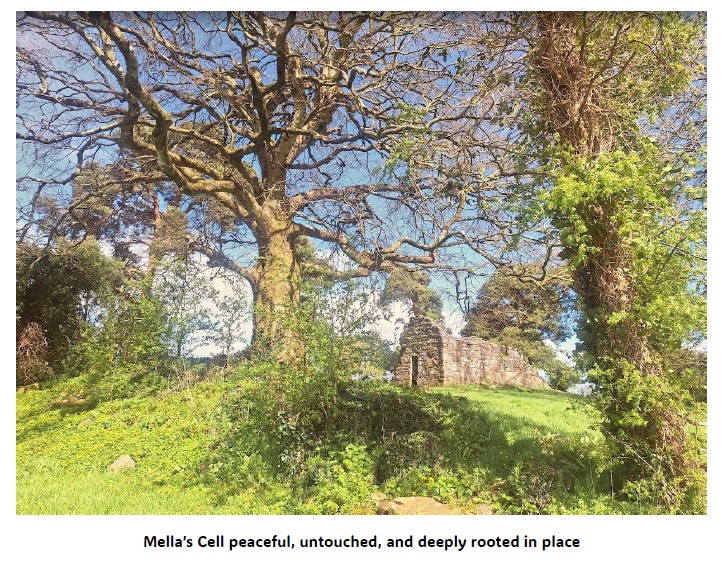
One discovery in particular brought this ancient world sharply into focus. In 1998, part of a bog body was uncovered in the townland of Tumbeagh. It was a remarkable archaeological find — a direct connection to a person who lived and died here centuries or even millennia ago. Maybe a native to the are or a pilgrim who lost their way. But the circumstances of the discovery were a stark reminder of the cost of industrial peat extraction. The body was found during the milling of peat, and some of the remains had already been sent to a power station and burned as fuel before anyone realised what they were. It was heartbreaking, and it showed clearly that these peatlands are not wastelands or empty spaces waiting to be exploited. They are sacred ground, holding the stories and the bones of our ancestors, much like the recent discovery back in January 2025 at Mella’s Cell when storm Éowyn swept through the land and with it, it brought down trees in Mellas Cell. Yet another discovery was made. Human remains from over a thousand years ago were uncovered. This was the first time it was realised that this was in fact a sacred burial grounds. These ancient trees had managed to fall but avoided falling on the remaining structure of Mella’s Cell as luck would truly have it.
The Changing Bog
When Bord na Móna took over the bogs, the land began to shift in ways we didn’t fully understand at the time. Drains were cut long before harvesting began. My granddad was deeply uneasy about it. He knew — instinctively, from a lifetime on the land, that this kind of change wasn’t good for the landscape. But compulsory purchase orders came, and people had no choice. You accepted it and got on with it, because that’s what rural people did.
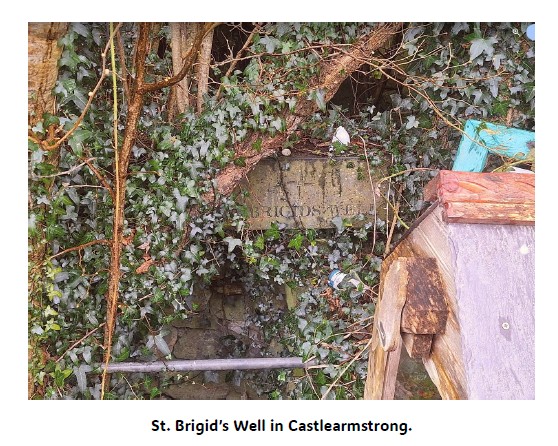
Over the years, natural springs and wells that had flowed for generations dried up. Water tables dropped. Getting water to cattle became a more difficult task. The land we knew began to alter under our feet. And yet, for many families, Bord na Móna meant jobs, stability, a way to support children. It was a trade-off that people felt they had to endure it seems.
But there were other consequences too. Fires on the bog were not unusual, especially during long hot spells. Many of them were never acknowledged by Bord na Móna, even when the community knew exactly how they had started. The most recent major fire in the late 2010s is still fresh in people’s minds. We were not long moved into our new house when it happened. Homes were filled with smoke, belongings destroyed, and yet when people reached out for help, nothing was done. That memory lingers — not just the damage, but the feeling of being dismissed.
A Community Under Threat Again
And now, here we are again.
The community around Lemanaghan Bog is facing another upheaval, this time in the form of a proposed wind farm: fifteen turbines, each 220 metres tall, right through the heart of the bog. People are angry, upset, and deeply worried. The consultation process felt deceitful from the start. A semi‑state body has enormous power, and they know it. They can pressure, divide, and buy silence. What was once a company rooted in community has become something unrecognisable, one determined in causing division and willing to fracture the very places and people it once relied on. These places have helped people heal in the greatest time of need and I can vouch for that personally. In times of grief, all one needs sometimes is solace and time to reflect and remember in peace. Lemanaghan Bog gives us all of that reminding us each of our life times are short and that we are connected through generations that went before us and their presence is still there it just appears in a different form. In that there is comfort.
For many of us, especially during COVID, the bog was our sanctuary. It was the one place we could walk freely, breathe deeply, and feel grounded. It is still the most peaceful place you could wander. But if the machinery comes — the diggers, the cranes, the convoys of lorries — that peace will be shattered. The wildlife that has survived generations of change will be displaced. The delicate ecology of the bog will be torn apart. And all the “surveys” carried out over a few rushed days here and there will never capture the depth of local knowledge that has been passed down through families like in our communities.
Our fear is simple: that once again, the people who live here — who love this place, who understand it — will be ignored. And if the project becomes inconvenient, BnM will simply sell it on, as they have done in other areas, leaving the community to deal with the consequences. There are some things that money simply can not buy and connection is one.
Growing up beside Lemanaghan Bog taught me the value of land, heritage, and memory. It taught me that these landscapes hold stories, and that communities are shaped by the places they belong to. What worries me now is that those stories — our stories rich in heritage— are at risk of being drowned out by decisions made far away by people who will never walk that enchanted lane or watch the Slieve Blooms change colour with the weather.
All we want is to protect the place that shaped us. You don’t need to be deeply religious or even believe in anything in particular, but when you have a deep connection with the land that you live upon, you just know that an area is not suitable for what is being forced upon it. I believe that our ancestors will rise to help us whether it is to show people that they need to lay off and choose more suitable places to build their energy plants. This is not suitable or natural place for industrial wind farms. We need to protect our peatlands.


