
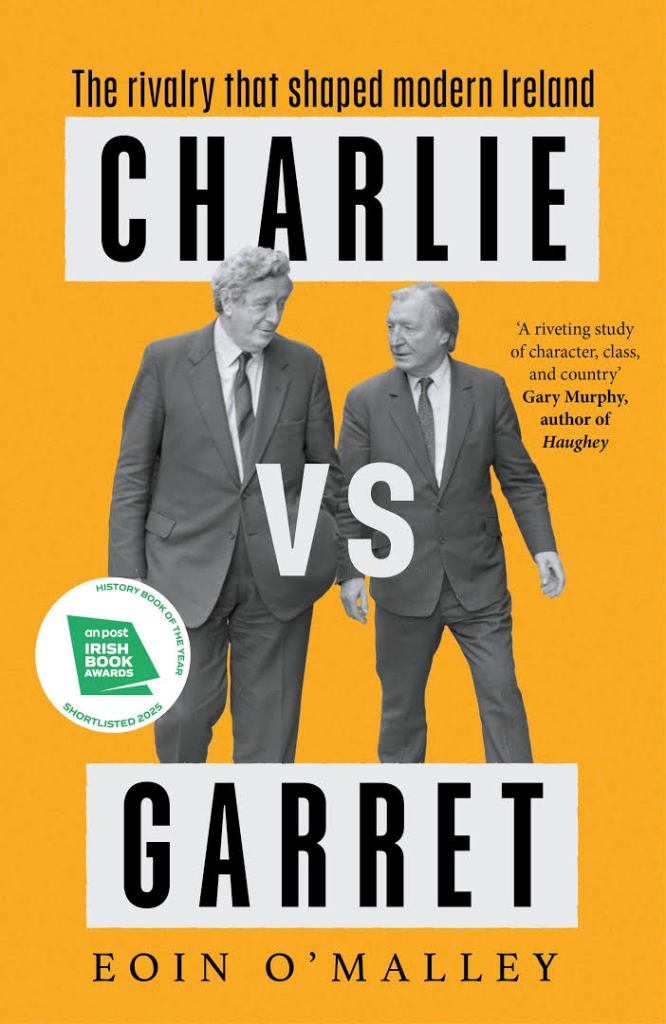
Today we mark the 100th anniversary of the birth of that hugely popular politician Garret FitzGerald. An intellectual in politics he was greatly respected in Ireland, Britain and Europe. Recent estimates such as that of Eoin O’Malley’s Charlie vs Garrett (2025) have not been so flattering to his handling of the economy in the 1980s. And yet his achievements and those of John Bruton have underestimated their roles in bringing peace to Northern Ireland.
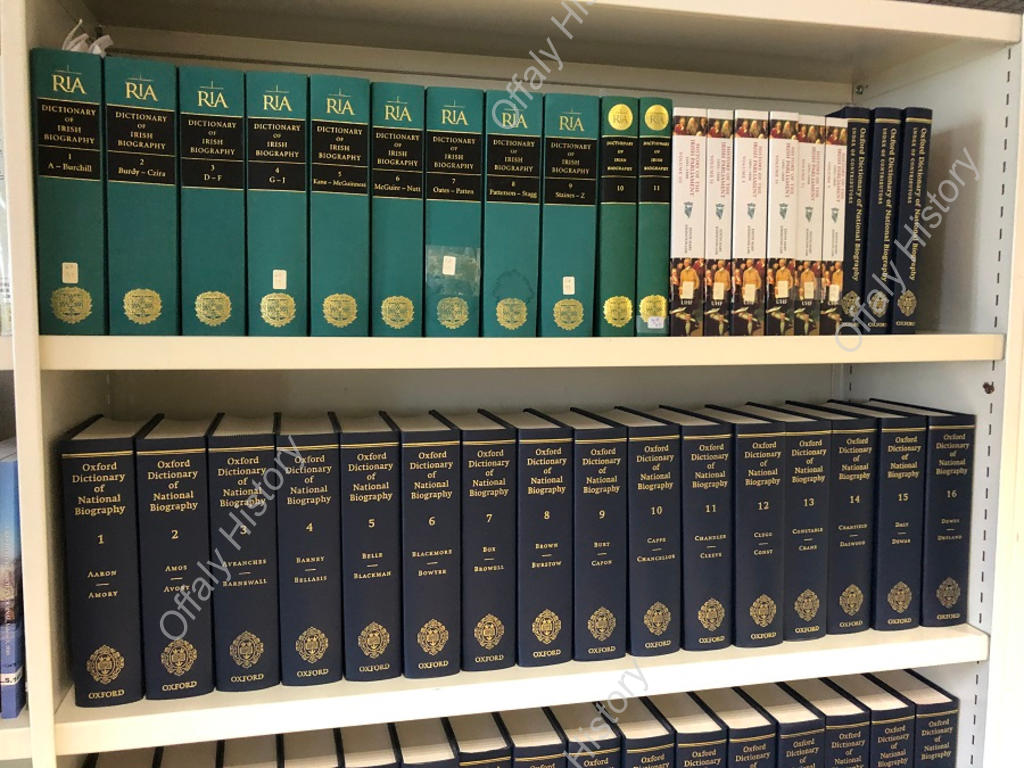
FitzGerald, according to the DIB life by Patrick Maume (summarised here) was one of the most influential Irish political figures of the late twentieth century, known for his intellectualism, his commitment to European integration, and his efforts to modernise Irish society. Born in Dublin to the prominent revolutionary and cabinet minister Desmond FitzGerald and his wife Mabel McConnell, Garret grew up in a household steeped in politics, culture, and international connections. His parents’ mixed religious backgrounds—his father Catholic, his mother Protestant—shaped his lifelong interest in reconciling Irish identities and overcoming sectarian divides.
Educated at St Brigid’s School, Belvedere College, and later University College Dublin, FitzGerald benefited from a cosmopolitan upbringing. Time spent in the Gaeltacht and with a French host family fostered his fluency in Irish and French and instilled a deep affection for European culture. The family’s financial difficulties during the 1930s, combined with the political decline of Cumann na nGaedheal, influenced his later belief that Ireland needed economic transformation and a more outward‑looking national identity.
In 1947 he married Joan O’Farrell, forming a famously close and intellectually equal partnership. Joan was a major influence on his thinking and political decisions, and FitzGerald cared for her devotedly during her long illness until her death in 1999.
Although trained as a barrister, FitzGerald pursued a career in Aer Lingus, fulfilling a childhood ambition. His work in economic planning and scheduling sparked his interest in the Irish economy and led to part‑time academic work. He became one of Ireland’s leading economic commentators, writing thousands of articles for the Irish Times and arguing that Ireland’s dependence on the slow‑growing British economy was holding it back. He believed that Ireland needed to modernise its industry, adopt international management practices, and prepare for integration with the European Economic Community (EEC).
In 1959 he joined UCD’s Department of Political Economy and later earned a PhD, publishing Planning in Ireland. He became a prominent public intellectual, involved in the Institute of Public Administration, the Economic Research Institute, and international groups such as the Bilderberg and Trilateral Commissions. His Thursday morning discussions with students in the 1960s became legendary, reflecting his unusually open and engaged academic style.
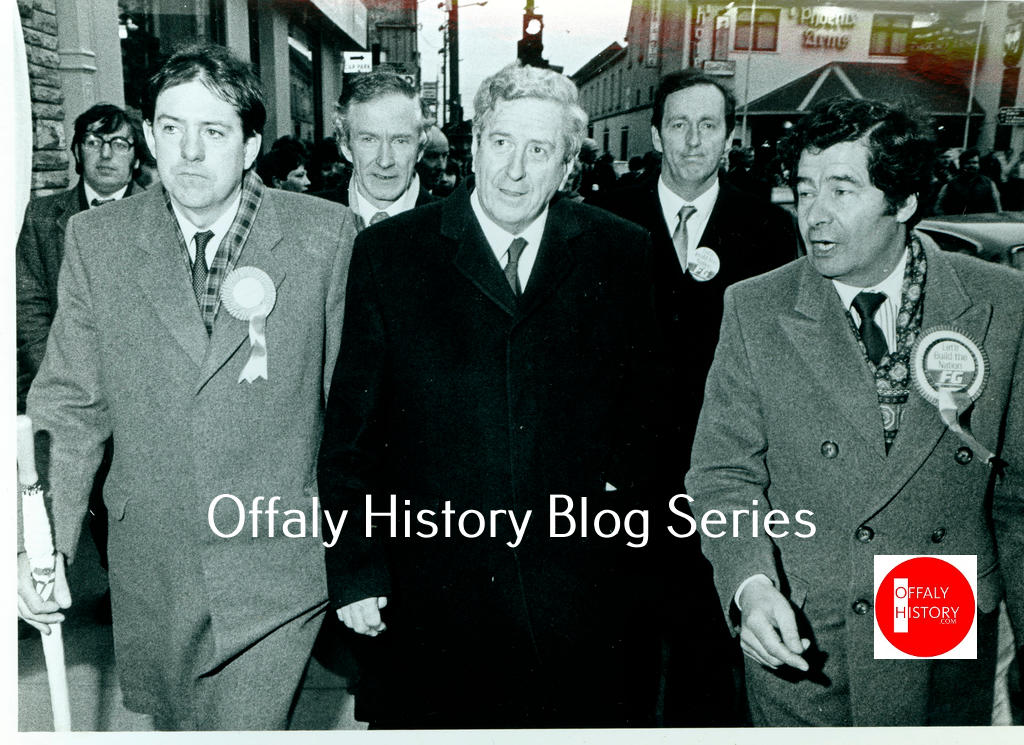
FitzGerald’s religious and social views evolved significantly during this period. Influenced by Christian democratic thinkers such as Jacques Maritain and by the reforms of the Second Vatican Council, he moved from conservative anti‑communism toward a socially democratic outlook. He advocated a more open, less clerically dominated society, greater state intervention in the economy, and redistribution through measures such as a wealth tax. His rationalist approach to religion and his criticism of Catholic conservatism placed him among Ireland’s leading liberal Catholic voices.
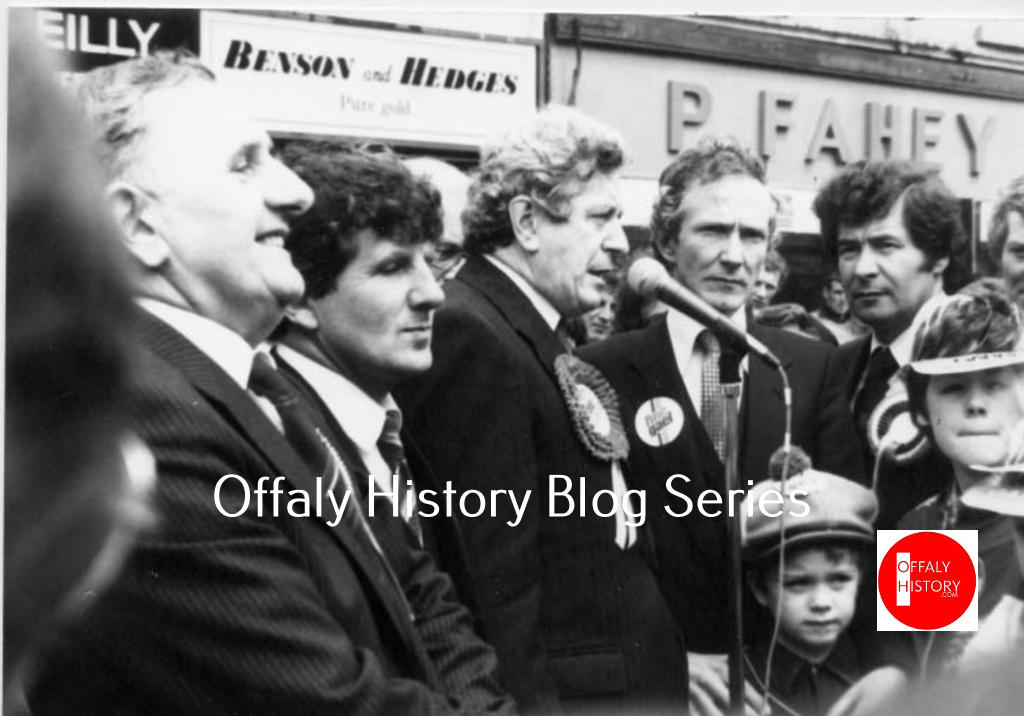
Politically, FitzGerald initially hesitated to join any party. He rejected Fianna Fáil’s overtures and considered Labour too narrow in its base. Ultimately, he was drawn into Fine Gael through Declan Costello’s “Just Society” movement, which aimed to modernise the party along social‑democratic lines. Elected to the Seanad in 1965 and the Dáil in 1969, he quickly became one of Fine Gael’s most prominent figures. His expertise, confidence, and sometimes abrasive certainty won him admirers and critics alike.
He played a major role in shifting Fine Gael toward a “unity by consent” policy on Northern Ireland and was a fierce critic of Fianna Fáil’s involvement in the 1970 Arms Crisis. His 1972 book Towards a New Ireland argued that independence had been necessary to prevent Ireland becoming a peripheral British region within Europe, and that protectionism had played a crucial role in early industrial development. His dismissive attitude toward Ulster unionist British identity, however, drew criticism.
After Fine Gael entered coalition with Labour in 1973, FitzGerald unexpectedly became Minister for Foreign Affairs rather than Minister for Finance. He excelled in European diplomacy, championing federalist approaches, protecting the role of the French language, and expanding Ireland’s development aid. He helped negotiate the Sunningdale Agreement, though later acknowledged he underestimated unionist opposition. Domestically, he pushed for social reforms and clashed with conservative elements in government and the Catholic hierarchy.
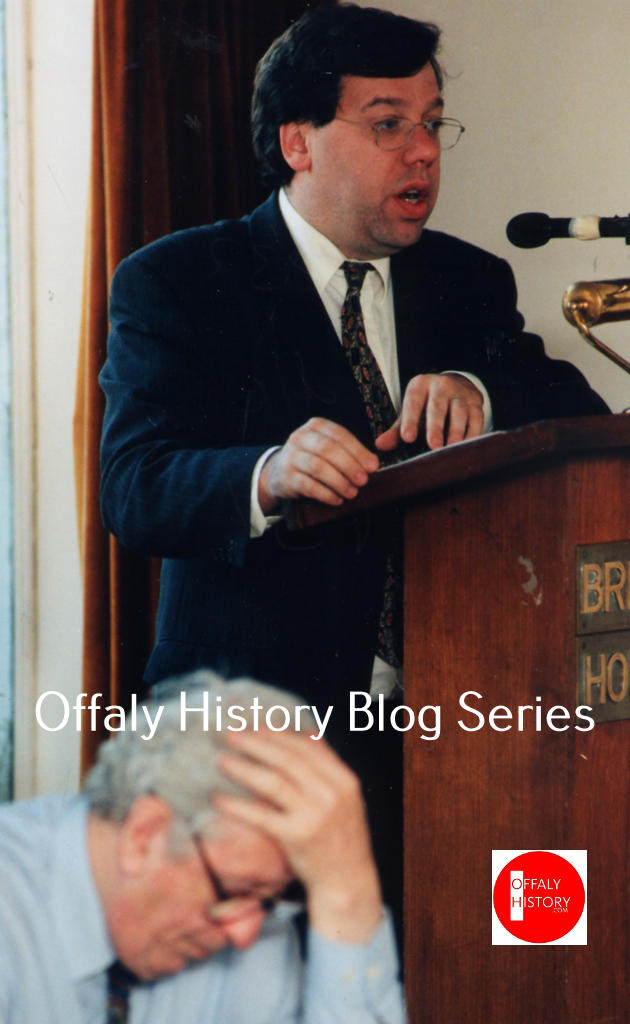
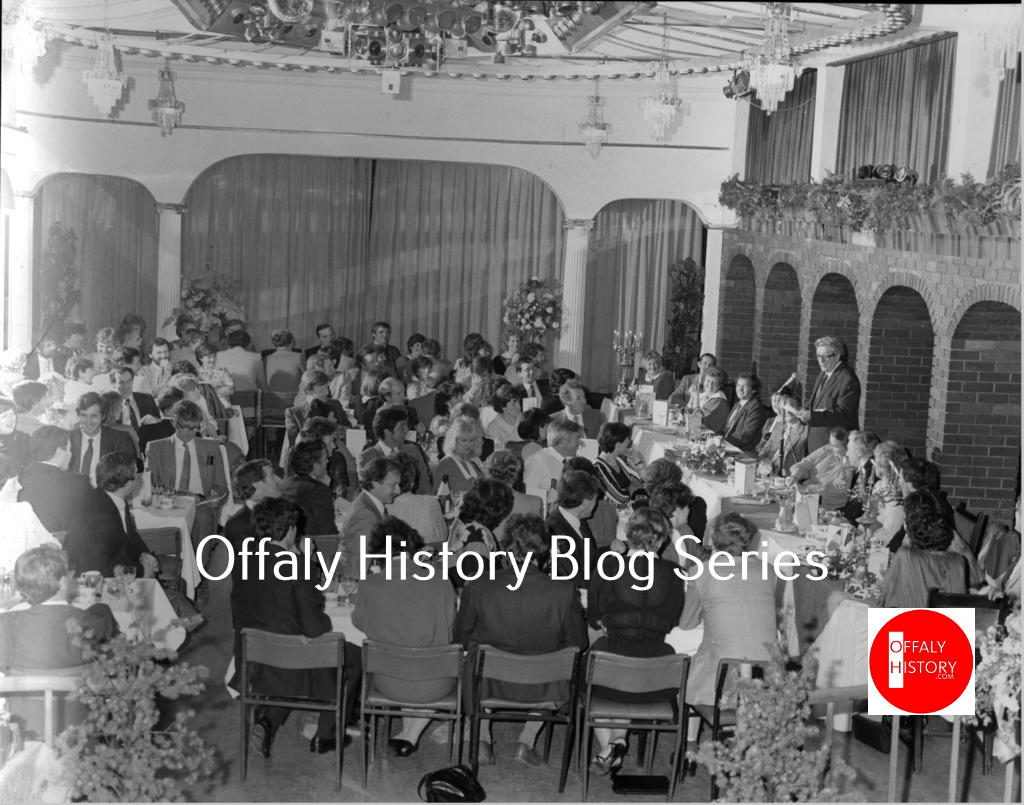
Following Fine Gael’s heavy defeat in 1977, FitzGerald became party leader and set about modernising its organisation, recruiting new candidates—especially women—and appealing to socially liberal voters. His rivalry with Charles Haughey, who became Fianna Fáil leader in 1979, defined Irish politics for over a decade. FitzGerald’s accusation that Haughey had a “flawed pedigree” became infamous and was widely seen as a personal attack.
As taoiseach in 1981–82 and again from 1982–87, FitzGerald faced severe economic crises, political instability, and the escalating conflict in Northern Ireland. His “constitutional crusade” sought to remove sectarian elements from the 1937 Constitution and modernise Irish social policy. However, his government fell in early 1982 over budget issues, and his second administration struggled with unemployment, emigration, and fiscal constraints. His tendency to micromanage and his academic style of cabinet leadership were widely criticised.
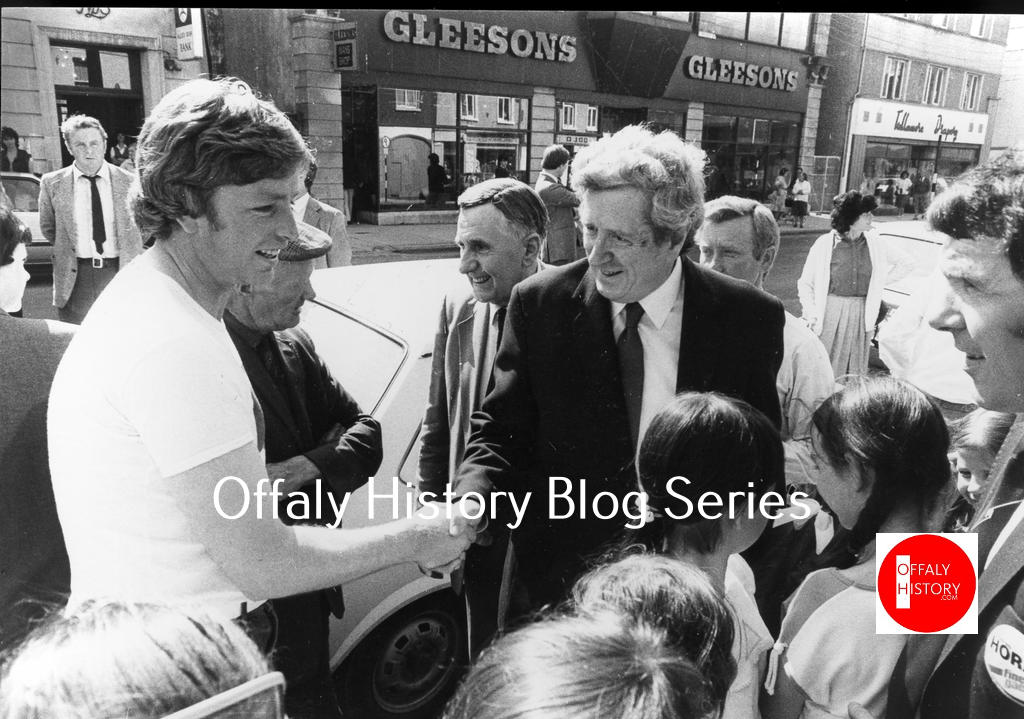
Despite these difficulties, FitzGerald achieved major successes. He played a central role in shaping the European Community’s renewed integration under Jacques Delors and secured increased structural funds for Ireland. Most significantly, he helped negotiate the 1985 Anglo‑Irish Agreement, which gave the Irish government a formal consultative role in Northern Ireland’s governance. Though fiercely opposed by unionists, the Agreement laid essential groundwork for the later peace process.
Social reform under FitzGerald was uneven. His government passed important measures such as the abolition of illegitimacy and expanded access to contraception, but he suffered a major defeat when the 1986 divorce referendum failed. His handling of the 1983 abortion amendment alienated both conservatives and liberals.
By 1987 the coalition had collapsed, and FitzGerald resigned as Fine Gael leader after the election. He remained active in public life, supporting Mary Robinson’s presidential campaign, writing memoirs, and contributing prolifically to journalism. Financial difficulties following the collapse of GPA forced him to sell his home, and his dealings with AIB later came under scrutiny, though he was cleared of wrongdoing.
In retirement he became a respected elder statesman, championing European integration and critiquing what he saw as the excesses of free‑market politics. He continued to influence debate on economics, Europe, and Northern Ireland until his death in 2011.
FitzGerald’s legacy is complex. Initially criticised for economic mismanagement and failed reforms, he later came to be seen as a pioneer of Ireland’s social liberalisation and a key architect of Anglo‑Irish reconciliation. His intellectualism, Europeanism, and moral seriousness shaped Irish political culture, even as his managerial flaws and political misjudgements limited his achievements in office. Ultimately, he is remembered as a visionary who helped steer Ireland toward modernity, even if he struggled to deliver all he imagined.
 offalyhistoryblog