
It might not be long before many of us are discussing the comparative strengths of land and sea powers — or, to be more specific, China, Russia and Iran against the US and UK. Like Roman gladiators, they have different sets of weapons — tanks and soldiers, in particular, against ships and submarines. There is a particular reason to be interested in this subject in County Offaly — the birthplace and early home of one of the most insightful and original historians of this distinction.
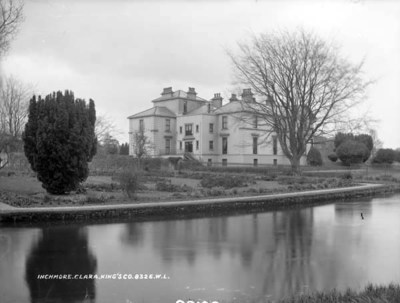
David Beers Quinn, born in Clara in 1909, felt this contrast under his feet in his formative stages — passing his first 13 years on the Goodbody estate [at Inchmore, Clara] and then moving in 1922 to the port of Belfast, birthplace of great ocean liners.
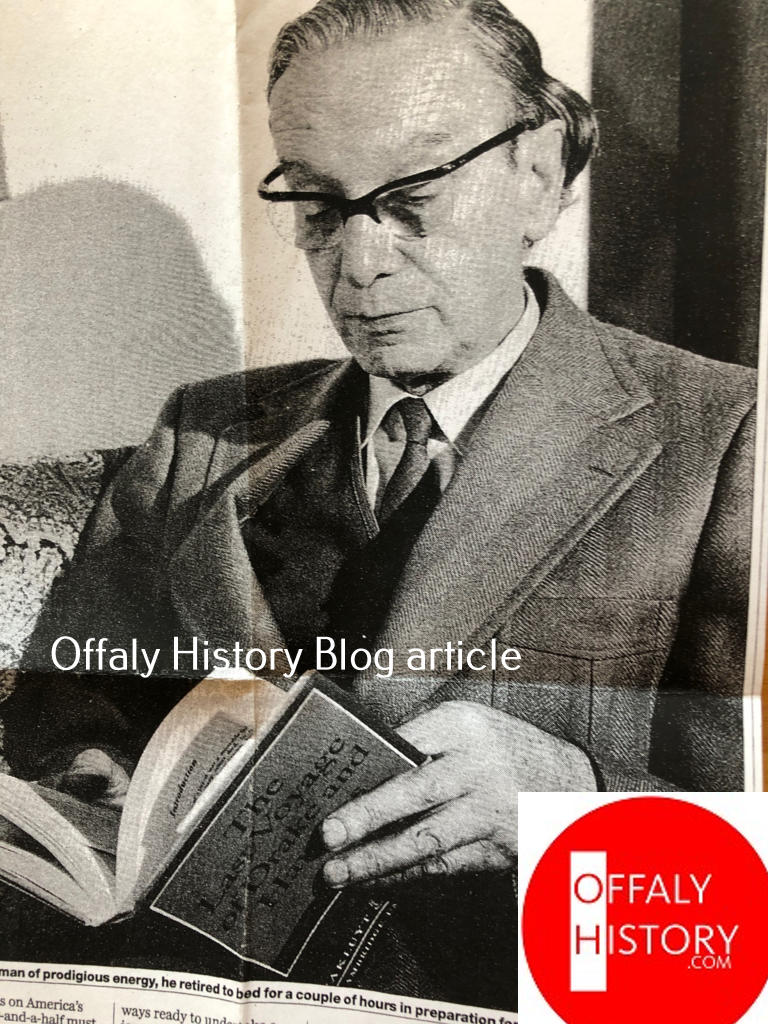
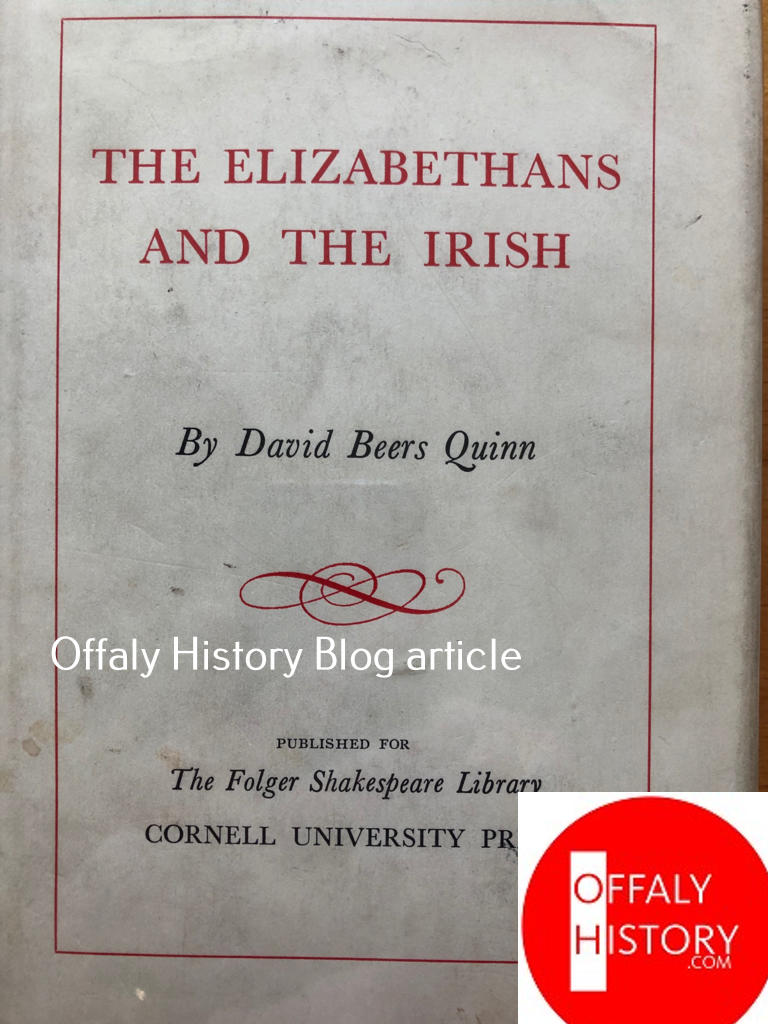
Quinn was courageous in taking a decision as a professional historian to move away from the standard template of state history. Instead of writing history about Britain or the US, he decided to research the connections between them, developing what has now become known as ‘Atlantic History’. As I will explain in more detail in a talk to the Offaly History Society on 19 October, he told a fellow historian — my grandfather, Robert Dudley Edwards — that he planned to write a book ‘on all the voyages from Columbus’. In this way, he explained how Tudor England transitioned into a great sea power as it crossed the ocean to America. More vulnerable in land battles, however, it often suffered horrific defeat in clashes with indigenous Americans.
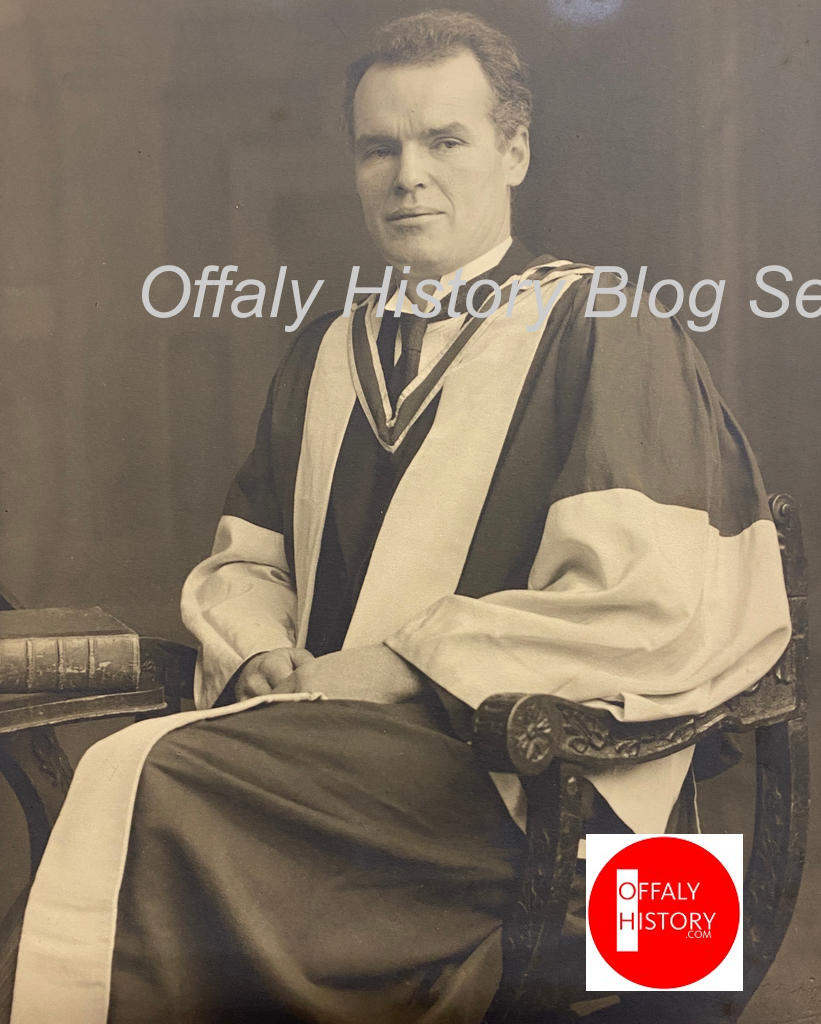
[Dudley Edwards acquired an unofficial mentor in Philip Wilson in the British Museum, and found stimulation at the seminar programme in the Institute of Historical Research and in the company of his fellow Irish students Theodore Moody (qv) and David Quinn (qv). He was awarded a doctorate by the University of London in 1933 and published an extensively revised version of the first part of his thesis as Church and state in Tudor Ireland in 1935. Thorough and methodical, cleaving closely to the evidence and eschewing both confessional and nationalist glosses, the work was a landmark in Irish historiography in its application of exemplary standards of scholarship to the treatment of a deeply contentious subject. (Aidan Clarke DIB). Ed.]
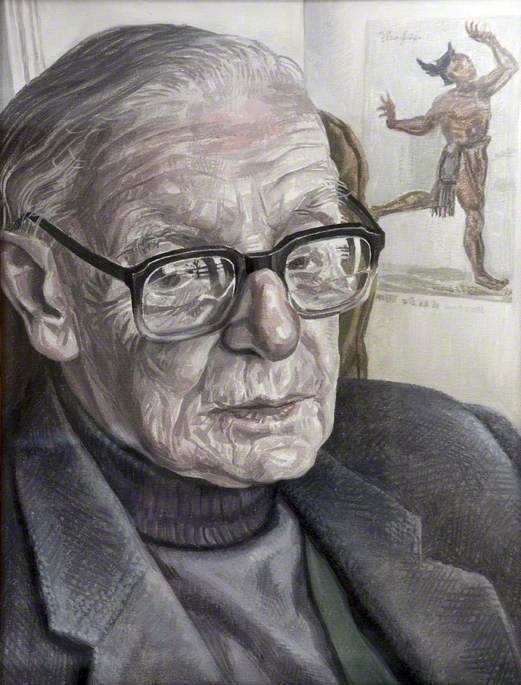
Although Dudley Edwards described Quinn’s contribution to the history of early modern Ireland as ‘undoubtedly the most outstanding of his generation’, Quinn has not been fully recognised elsewhere. For instance, about 30 historians are mentioned in the Wikipedia entry on Atlantic History but his name is not there even though he preceded them. From 1947 and his biography of Sir Walter Raleigh, he had been developing this theme. He describes Raleigh trying to turn sea power into permanent land power settlements. And his writing on this area culminated in 1983 with his book England’s Sea Empire, 1550–1642.
Why does this matter so much now? Unless the US resorts to nuclear weapons, it looks set to lose its global hegemony to China. This will mean a transference in the world running order from sea to land powers — reversing the direction of the last 500 years. Maritime states began to challenge their land rivals from about 1500. Through Pax Britannica and Pax Americana, they dominated from 1815 to today. Life under land power domination is potentially more bloody because there is less protection against enemies from natural water defences. Conflict can be just around the corner, rather than across the sea. It can become a way of life rather than an occasional interruption.
The publisher Routledge reprinted England’s Sea Empire last year, in recognition of its relevance today. Quinn becomes more relevant, not less, with the passing of time.
Talk: 19 October at 7.30 pm at Offaly History Centre, Bury Quay, Tullamore, R35 Y5V0
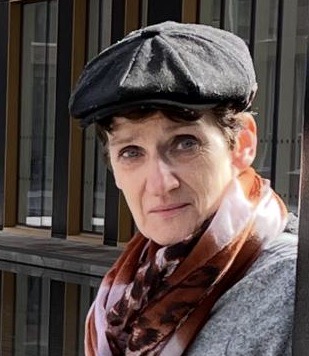
Neasa MacErlean’s book on Robert Dudley Edwards, Telling the Truth is Dangerous, was published in 2025. She reviews books for the Irish Times and was formerly a journalist on the Observer and the Guardian.
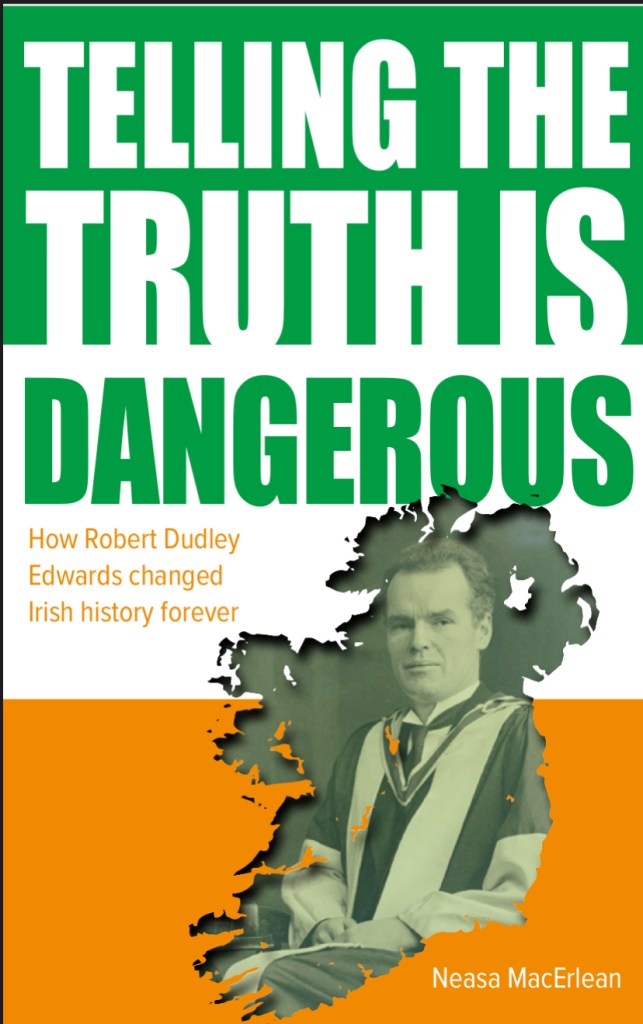
[A portrait of Robert Dudley Edwards by his doting granddaughter turns out to be gripping, unconventional and searingly honest, Stephen Collins in Irish Times, Ed.]
Images author and Offaly History

